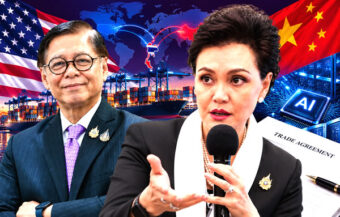
Trump wants a November trade deal with Thailand, but the final agreement remains unfinished. Anutin says talks are nearing completion as Suphajee targets the ASEAN summit. Meanwhile, American tariff threats persist and Vietnam moves ahead with talks.
A US–Thailand trade deal is heading for a November signing after President Donald Trump wrote directly to Prime Minister Anutin Charnvirakul. However, critical terms remain unresolved despite agreement in principle. Commerce Minister Suphajee Suthumpun is targeting the ASEAN summit in the Philippines. Meanwhile, Thai exporters face existing US tariffs and further Section 301 threats. Vietnam is advancing its own deal, while Thailand seeks parity with regional competitors. Even a November signing may leave exporters waiting for implementation.
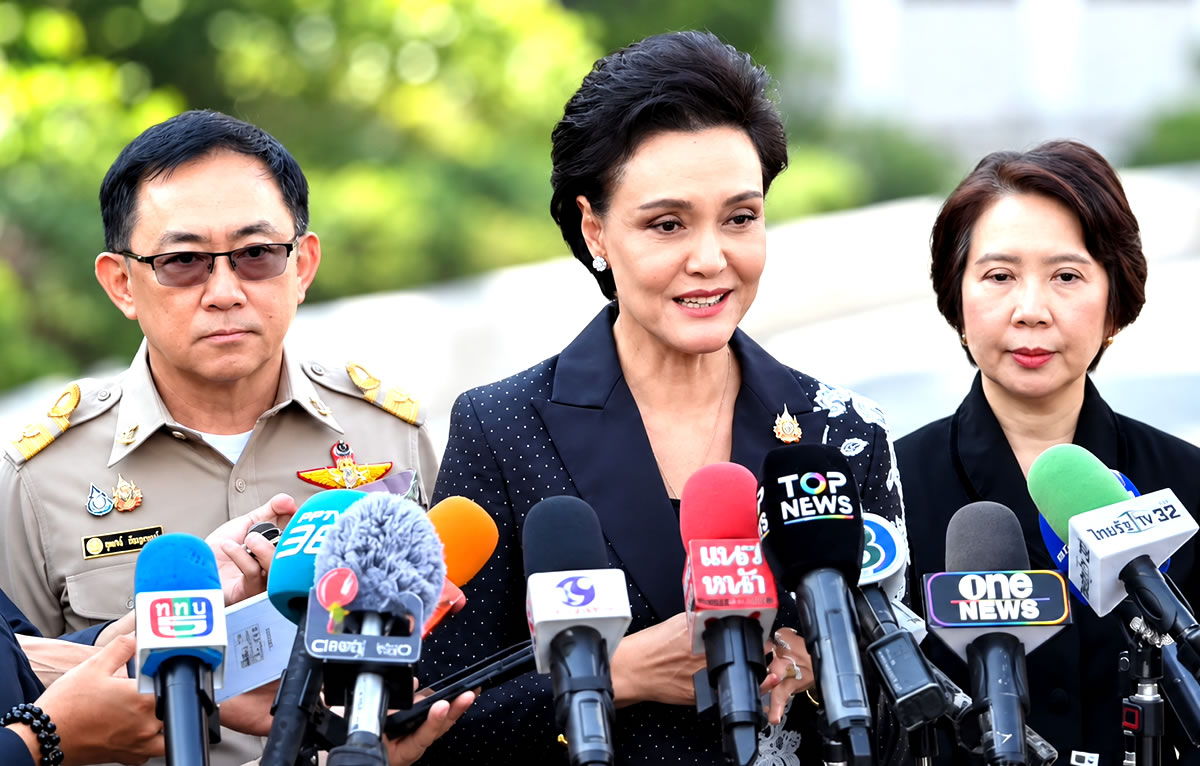
Thailand and the United States are approaching a major reciprocal trade agreement, with formal signing now targeted for November. However, the final deal remains unfinished despite both governments reaching an agreement in principle.
US President Donald Trump has written directly to Prime Minister Anutin Charnvirakul, proposing a signing during his forthcoming Asian visit. Meanwhile, Deputy Prime Minister and Commerce Minister Suphajee Suthumpun confirmed Thursday that technical and legal negotiations were continuing.
The ASEAN summit in the Philippines has emerged as a possible venue. Nevertheless, Thai exporters still face uncertainty over American tariffs and the prospect of additional duties.
The latest developments follow three days of diplomatic exchanges between Bangkok and Washington. On Thursday, October 8, Suphajee met Anutin at Government House to review progress. Afterwards, she confirmed that both countries had settled the principal elements of the proposed agreement.
Thailand and US target November trade signing as Trump writes to Anutin but legal details remain
However, technical provisions, legal wording and other outstanding details still required attention. The Commerce Minister identified November as the anticipated signing period, particularly during the ASEAN summit in the Philippines. She stopped short of announcing a fixed date or confirming that the final document was ready.
The November timetable follows direct communication between Trump and Anutin. On Tuesday, October 6, government spokesman Ekkapop Pianpises confirmed that the American president had written to the Thai prime minister.
In his letter, Trump expressed interest in concluding negotiations and signing the agreement during his forthcoming Asian visit. Subsequently, Anutin instructed Suphajee to advance the remaining discussions and prepare the necessary arrangements.
The communication established a proposed political timetable for concluding the agreement. However, the final legal text remained unfinished, leaving further work for both negotiating teams.
Anutin says US trade deal is nearing completion as Suphajee confirms agreement on main principles
On Wednesday, October 7, Anutin addressed the negotiations during the Forbes Global CEO Conference in Singapore. Speaking before international business leaders, the prime minister described the agreement as approaching completion.
Indeed, he said both countries were effectively writing the final paragraph of their Agreement on Reciprocal Trade. He also disclosed Trump’s letter and its connection to the proposed signing. Nevertheless, Anutin did not announce that the agreement had been completed. His remarks indicated that the principal negotiating framework was settled, while the final legal provisions remained outstanding.
The following day, Suphajee provided a more detailed account of the remaining work. Following her meeting with Anutin, she confirmed that both countries had reached an agreement in principle.
However, technical and legal discussions were still underway. Importantly, she identified November as a possible signing window rather than a binding deadline. Her comments clarified the distinction between agreement on the main principles and completion of the final document. Consequently, the proposed November signing does not establish that negotiations have broken down or that Washington has rejected Thailand’s proposals.
ASEAN and APEC summits offer November signing opportunities while US tariff questions remain
Instead, both governments are continuing work on the outstanding provisions while preparing for a possible meeting between their leaders. The timing coincides with two major diplomatic gatherings in Asia.
The ASEAN summit is scheduled for November 16–18 in the Philippines. Subsequently, the APEC Economic Leaders’ Meeting takes place in China on November 18–19. Both events have been mentioned as possible opportunities for Trump and Anutin to meet.
Nevertheless, no venue or signing date has been formally confirmed. Suphajee has specifically identified the ASEAN summit as a possible occasion for concluding the agreement.
Behind the diplomatic timetable, substantial commercial questions remain unresolved. In particular, the final American tariff treatment Thailand will secure remains a central question. The United States is Thailand’s largest export market, making the final terms important for manufacturers and exporters.
In September, Thai officials identified an existing 12.5% US tariff as a continuing concern. Moreover, they warned that a separate American investigation into industrial overcapacity could result in additional duties. That investigation remains distinct from the reciprocal trade discussions. Therefore, signing the bilateral agreement would not necessarily eliminate every potential American tariff measure.
Section 301 tariff threat remains as Thailand seeks US trade parity with Malaysia and Indonesia amid talks
The possibility of additional action under Section 301 of American trade law presents another unresolved issue. Such measures could impose further duties independently of the reciprocal agreement.
Meanwhile, Thailand is seeking trade conditions comparable to those available to regional competitors, particularly Malaysia and Indonesia. Both countries compete with Thailand in important manufacturing and export markets.
Accordingly, Bangkok has sought conditions that would prevent Thai exporters from facing less favourable American tariff treatment. However, the final tariff provisions have not been publicly confirmed, and negotiations over the remaining details are continuing.
Washington has also pressed Thailand on several issues beyond tariffs. These include market access, non-tariff barriers and investment conditions. Separately, purchases involving American agricultural commodities and aircraft have featured in the discussions.
The proposed agreement therefore covers a broader commercial relationship than the tariff rate alone. Nevertheless, the final provisions governing these matters remain outstanding. The two governments must settle the technical arrangements and legal wording before the document can be completed. Until then, the agreement in principle does not establish the precise commercial obligations that will apply.
November signing may precede Thai Cabinet, public hearings and parliamentary approval requirements
Furthermore, formal signing will not necessarily make the agreement immediately effective. Thai officials have previously identified domestic procedures that may be required before implementation.
These include Cabinet approval, public hearings and parliamentary consideration. Consequently, a November signing could be followed by additional legal and political steps in Thailand.
The timetable for implementation will depend on the completed text and the applicable approval requirements. Therefore, exporters face uncertainty over both the final tariff provisions and the date when any new arrangements would take effect.
For Thai businesses, the immediate position remains unchanged until the outstanding negotiations are concluded. The United States continues to represent Thailand’s largest export market. However, manufacturers still lack confirmation of the final reciprocal trade conditions.
Equally, the separate American investigation into industrial overcapacity remains a potential source of additional duties. Any further Section 301 action would create another trade issue outside the bilateral agreement. As a result, the proposed November signing cannot presently be treated as confirmation that all American tariff risks have been settled.
Vietnam advances US trade negotiations as Thailand seeks comparable terms with regional competitors
Meanwhile, developments elsewhere in Southeast Asia are adding urgency to the regional trade calendar. On Thursday, October 8, Vietnam announced that its reciprocal trade negotiations with Washington were largely completed.
The announcement followed seven rounds of discussions between the two countries. Vietnam’s progress came as Thailand confirmed its own agreement in principle. Nevertheless, neither announcement established that a completed agreement had entered into force.
Both countries maintain substantial manufacturing sectors and significant export relationships with the United States. Consequently, the final American trade conditions will be important for companies operating across regional supply chains.
Thailand’s negotiations also involve comparisons with Malaysia and Indonesia. Bangkok has sought tariff conditions comparable to those secured by these regional competitors. However, the precise treatment Thailand will receive remains subject to the final agreement.
The comparison is particularly relevant because manufacturers across Southeast Asia compete for orders in the American market. At the same time, Washington is negotiating trade arrangements with several regional economies. Therefore, the final terms agreed with Thailand will form part of a wider pattern of American trade conditions across Southeast Asia.
Trump letter and Anutin remarks mark final negotiating stage but implementation remains uncertain
For Anutin, the latest developments follow direct political engagement with the American president. Trump’s October 6 letter expressed his interest in signing the agreement during his Asian visit.
Subsequently, Anutin described negotiations as reaching their final paragraph during his Singapore appearance. Suphajee then confirmed on October 8 that both governments had settled the main principles.
Together, the statements establish that negotiations have entered their closing stage. However, they do not establish that every commercial provision has been settled or that the legal text has been completed.
The distinction remains important because the proposed agreement involves several separate stages. First, both governments must complete the remaining negotiations and settle the final document. Next, their leaders could formally sign the agreement during one of the November diplomatic gatherings.
Subsequently, the required domestic procedures would determine when the provisions become effective. Each stage carries a separate timetable. Accordingly, an agreement in principle does not provide exporters with a confirmed implementation date or establish the final tariff treatment they will receive.
Commerce Ministry targets November signing as legal terms and American tariff threats remain unsettled
The Commerce Ministry is now working towards completing the outstanding discussions before the November meetings. Meanwhile, Anutin has instructed Suphajee to advance preparations following Trump’s communication.
The ASEAN summit in the Philippines remains the most clearly identified potential signing opportunity. However, the APEC meeting in China also falls within the American president’s proposed Asian diplomatic timetable.
Neither event has been confirmed as the venue for the agreement. Moreover, no announcement has established a binding November deadline or confirmed that a previously scheduled signing was postponed.
The outstanding commercial questions remain substantial. Thailand is seeking favourable American tariff treatment while facing separate investigations that could produce additional duties. At the same time, Washington has pressed for changes involving market access, non-tariff barriers and investment conditions.
Agricultural purchases and aircraft transactions have also featured in the negotiations. Nevertheless, the final legal wording and technical provisions have yet to be settled. These details will determine the obligations accepted by both countries and the conditions governing their future trade relationship.
For Thai exporters, the final tariff provisions will carry greater immediate significance than the location of the signing ceremony. Businesses must establish what duties will apply and when the new arrangements will become effective.
Thai exporters await final tariff terms while US investigations and regional trade talks continue
In addition, they must account for possible American measures outside the reciprocal agreement. The industrial overcapacity investigation and potential Section 301 action remain separate concerns. Therefore, even a completed bilateral agreement would not automatically settle every outstanding trade question between Bangkok and Washington.
The regional situation is also developing rapidly. Vietnam has announced substantial progress after seven negotiating rounds, while Thailand is completing its own agreement. Meanwhile, Bangkok continues to seek conditions comparable to those available to Malaysia and Indonesia.
US raises the stakes on industrial capacity and transshipments posing trade barriers to Thai exports
Mixed messages from Thai government on a US Thai trade deal despite Commerce Minister’s optimism
These parallel developments place the final tariff provisions at the centre of regional trade comparisons. However, no completed Thai agreement has been published, and the precise commercial terms remain unconfirmed.
The November timetable therefore provides a possible conclusion to negotiations rather than an established date for new tariffs to take effect.
As of Friday, October 9, Thailand and the United States have reached agreement on the principal elements of their proposed trade deal. Trump has expressed his intention to sign during his forthcoming Asian visit.
Anutin has described negotiations as approaching completion, while Suphajee has identified November as the anticipated signing period. Nevertheless, the final legal and technical provisions remain outstanding.
No formal signing date has been confirmed, and the final American tariff treatment remains unresolved. For Thailand’s exporters, the next decisive developments will be completion of the agreement, confirmation of its tariff provisions and establishment of the implementation timetable.
Join the Thai News forum, follow Thai Examiner on Facebook here
Follow Thai Examiner on Google here
Receive all our stories as they come out on Telegram here
Follow Thai Examiner here
Further reading:
US raises the stakes on industrial capacity and transshipments posing trade barriers to Thai exports
Mixed messages from Thai government on a US Thai trade deal despite Commerce Minister’s optimism
Paying AI users in Thailand had a nightmare week online just as the government waded into the market