
Drinking session turns deadly for German Shepherd pup Peter after he is forced to consume a bottle of 40-degree white liquor. TSPCA warns animal cruelty carries two years in jail and a ฿40,000 fine, with online influencers also warned.
A German Shepherd puppy died after reportedly being forced to swallow an entire bottle of 40-degree white liquor at a Nakhon Sawan drinking session. Now TSPCA chief Dr Sathit Prachyaariyakul has issued a blunt legal warning: forcing alcohol on dogs can amount to animal cruelty, punishable by two years in jail and a ฿40,000 fine. Meanwhile, he has put social media influencers on notice over animal stunts involving alcohol, cigarettes, dangerous paints and other harmful practices.
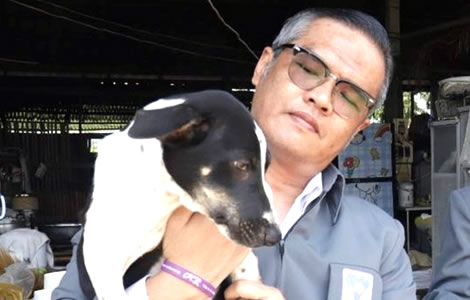
A leading Thai animal welfare figure has warned of criminal penalties after a German Shepherd puppy died in Nakhon Sawan. The puppy, named Peter, reportedly consumed an entire bottle of strong white liquor during a family drinking session. He died on Monday following the incident in Mae Wong district, about 240 kilometres north of Bangkok.
According to the supplied account, a neighbour or relative forced the puppy to consume the alcohol. The drink was described as 40-degree white liquor. Peter subsequently died on August 17. In response, Thailand’s leading animal welfare organisation issued a warning over the treatment and its potential criminal consequences.
Dr Sathit Prachyaariyakul is Secretary and Director of the Thai Society for the Prevention of Cruelty to Animals (TSPCA). Reporters approached him about the case following Peter’s death. He expressed regret over the incident involving the puppy and its owner. However, his response also focused firmly on the legal implications.
Forcing dogs to consume alcohol can breach Thai animal cruelty law and bring prison terms and fines
Dr Sathit said giving alcohol to dogs was inappropriate, particularly when animals were forced to consume it. Notably, he said forced consumption can cause both physical and mental suffering. Excessive quantities can also lead to death. As a result, such conduct can breach Thailand’s existing animal cruelty legislation.
Specifically, Dr Sathit cited the Animal Cruelty Prevention and Welfare Act B.E. 2557 (2014). He referred to Sections 3, 20 and 31 of the legislation. Under those provisions, an offender can face imprisonment for up to two years. Alternatively, a conviction can bring a maximum fine of ฿40,000. A court can also impose both penalties.
The TSPCA issued its warning publicly on August 17 following reports concerning Peter’s death. At the centre was the quantity and strength of alcohol reportedly given to the puppy. Peter was said to have consumed an entire bottle of 40-degree white liquor. Afterwards, the German Shepherd died.
Separately, Dr Sathit linked the incident to broader problems involving improper pet ownership. The TSPCA has continuously campaigned to educate people about responsible ownership. According to Dr Sathit, improper ownership can become a root cause of unjustified animal cruelty. He cited Peter’s case when addressing that concern.
TSPCA warns social media influencers over harmful animal content involving alcohol, food and smoke
On another front, the TSPCA official raised concerns about animal-related content appearing across social media. His warning specifically covered influencers using TikTok and other online platforms. Some content involves feeding dogs alcohol or forcing them to drink it. Other material involves unusual foods or exposing animals to cigarette smoke.
Dr Sathit asked influencers producing such material to refrain from activities that could harm animals. In parallel, he warned about disseminating footage showing harmful treatment. Such publication could bring additional legal penalties for those distributing the content, he said.
As part of this, the TSPCA highlighted several forms of animal cruelty encountered in Thailand. The organisation said perpetrators sometimes devise unusual methods of inflicting harm. These include forcing dogs to drink alcohol until they die. Other examples involve high-pressure water jets being used against animals.
Additionally, the organisation cited incidents involving dangerous paints being sprayed onto animals. Some cases have involved deliberately exposing pets to cigarette smoke. In those circumstances, animals can face both secondhand and thirdhand smoke exposure. The TSPCA said toxins from such exposure can cause respiratory diseases and cancer.
Thai animal cruelty law covers varied forms of abuse as courts impose tougher penalties in many cases
More broadly, Dr Sathit said unjustified animal cruelty can take many different forms. Thailand’s 2014 legislation consequently covers various actions capable of being prosecuted. The law is not restricted to one particular method of mistreatment. Instead, cases are assessed under provisions covering animal cruelty and welfare.
Against that backdrop, Dr Sathit said courts have imposed harsher penalties in many cases compared with the past. The potential sanctions identified in Peter’s case include both imprisonment and a financial penalty. The maximum prison term is two years. Meanwhile, the maximum fine is ฿40,000.
Peter’s death provided the immediate trigger for the TSPCA intervention. The young German Shepherd was reportedly present during a drinking session involving people known to the owner. During that gathering, a neighbour or relative allegedly forced the puppy to consume the strong liquor. The supplied information does not identify that person.
Soon afterwards, Peter died. The case was then put to Dr Sathit by reporters. His response identified forced alcohol consumption as potentially falling within Thailand’s animal cruelty law. Crucially, he said the practice could inflict physical and mental suffering and potentially cause death.
At the same time, the case highlighted the strength and volume of alcohol reportedly involved. The puppy was not simply described as having tasted an alcoholic drink. Instead, reports said Peter was forced to consume an entire bottle of 40-degree white liquor.
TSPCA warning extends to online animal content as harmful treatment can trigger further legal penalties
The TSPCA’s intervention also extended beyond what happened inside the Mae Wong home. In particular, it addressed online material involving animals subjected to unusual or potentially harmful treatment. Dr Sathit specifically mentioned alcohol, unusual food and cigarettes when addressing social media creators.
Likewise, the organisation identified other methods appearing in animal cruelty cases. These include high-pressure water jets and dangerous paints. Deliberate cigarette smoke exposure was another practice highlighted by the TSPCA. Each can potentially fall within the scope of Thailand’s animal welfare legislation.
In addition, Dr Sathit distinguished between the underlying treatment and subsequent publication of the material. The act itself can potentially breach animal cruelty legislation. Publishing harmful animal content can also expose those responsible to further legal consequences.
For its part, the TSPCA has maintained public campaigns concerning responsible animal ownership. Dr Sathit said improper ownership can result in cruelty without justification. Peter’s death was cited directly as an example during his comments.
Smoke, dangerous paints and high-pressure water highlighted as TSPCA details forms of animal cruelty
Meanwhile, the organisation’s warning on smoke exposure added another dimension to its intervention. Pets can inhale secondhand smoke directly from cigarettes. They can also encounter thirdhand smoke and toxins remaining after smoking. According to the TSPCA, those toxins can contribute to respiratory disease and cancer.
Beyond smoke, the organisation listed other deliberate acts encountered in animal cruelty cases. Some animals have been targeted with high-pressure water. Others have been sprayed with dangerous paints. Most strikingly, the TSPCA cited dogs being forced to consume alcohol until death.
The Mae Wong case now falls within that wider warning. Peter died after reportedly being forced to drink a complete bottle of powerful white liquor. The incident happened in Nakhon Sawan province in lower northern Thailand on August 17.
Following the death, Dr Sathit set out the potential consequences under existing Thai law. Sections 3, 20 and 31 were specifically cited. A conviction can result in up to two years’ imprisonment. Moreover, a court can impose a fine reaching ฿40,000.
Animal cruelty convictions can bring prison and fines as TSPCA warns over forced alcohol consumption
Finally, both sanctions can be imposed together. The same legal framework covers various forms of unjustified cruelty, according to the TSPCA. Dr Sathit said courts have imposed tougher punishments in numerous cases compared with earlier years.
Peter’s death therefore prompted warnings on three separate fronts. These concern forced alcohol consumption, wider harmful treatment and the publication of animal-related social media content. In each area, the TSPCA pointed to existing legal consequences rather than new proposed restrictions.
Dog hunt using a thermal imagery drone underway in Nakhon Ratchasima for pitbull who escaped on Friday
฿6 million cloned pet, a bulldog who died in 2023 at 9 years old still recalled owner’s Thai commands
The immediate case remains centred on the German Shepherd puppy and the drinking session in Mae Wong district. Peter was reportedly forced to consume an entire bottle of 40-degree white liquor. He subsequently died. Under the legislation cited by Dr Sathit, animal cruelty carries up to two years in prison and a ฿40,000 fine.
Join the Thai News forum, follow Thai Examiner on Facebook here
Receive all our stories as they come out on Telegram here
Follow Thai Examiner here
Further reading:
Murder most foul in Pattaya as a 6 to 8-month-old baby found dumped in a bin by local scavenger