From swinging vice capital to sophisticated global powerhouse, Bangkok seizes Time Out’s 2026 nightlife crown. Its neon underworld, luxury rooftops, clubs, cocktails and street feasts defeat Berlin and New York as 30.3 million visitors pour in today.
From the swinging sex capital spawned during the 1960s, Bangkok’s nightlife has evolved alongside generations of foreign visitors. Today, it hosts tens of millions from across the world and offers far more than its notorious red-light districts. Time Out has now crowned Bangkok the world’s best nightlife city for 2026, placing it above Berlin and New York. Rooftop glamour, vast clubs, Chinatown cocktails, LGBTQ+ venues and street food powered its 12-place surge. Yet the scene remains inseparably linked with foreigners and retains its dark, noir appeal. With 30.3 million international arrivals, Bangkok now stands as both the world’s most-visited city and its nightlife champion.
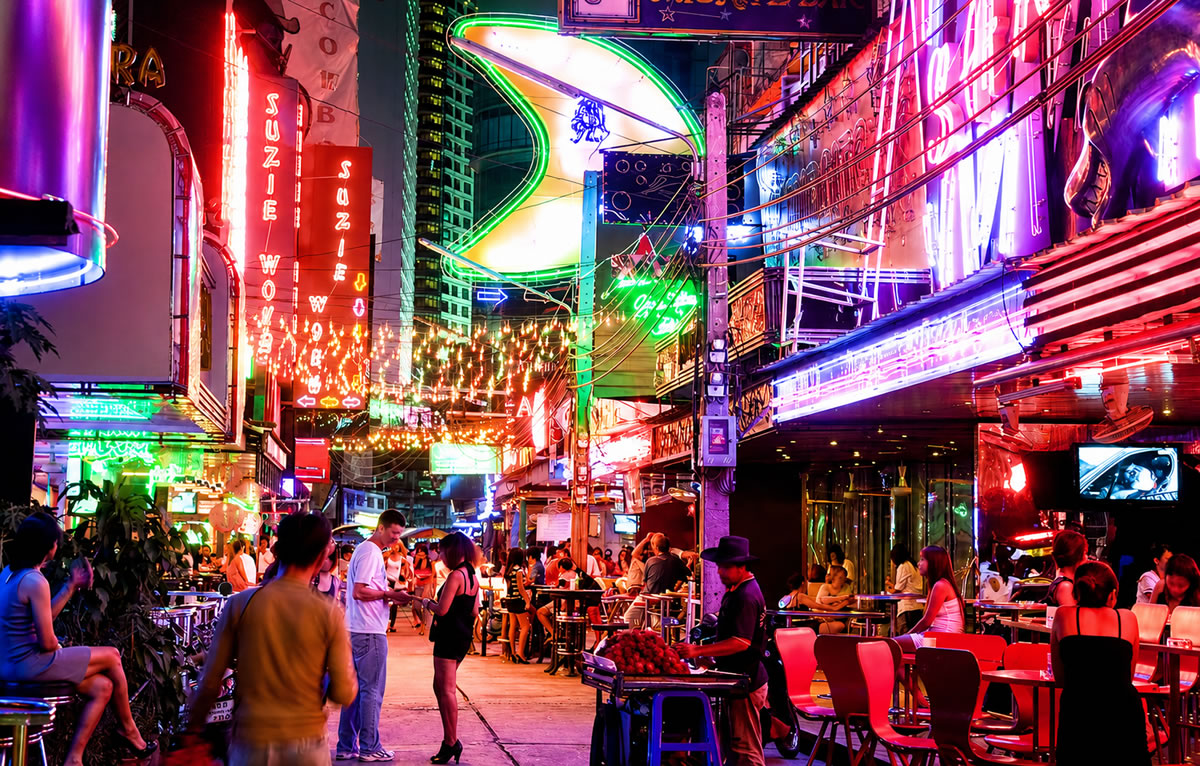
Bangkok has stormed from 13th place to become the world’s best nightlife city for 2026. Time Out placed Thailand’s capital above Berlin, New York City, Melbourne and São Paulo. The result gives Bangkok the leading position among the world’s most celebrated after-dark destinations.
Behind the ranking stood a vast international survey. More than 24,000 residents across 150 cities gave their assessments. In parallel, more than 100 Time Out editors and city experts contributed their verdicts. The combined process measured quality, affordability, excitement, diversity, community and safety.
Bangkok produced powerful scores. Notably, 73% of local respondents called its nightlife “good” or “amazing”. The same percentage found it easy to build connections and discover community. On top of that, Time Out’s expert panel delivered a commanding 95% approval score.
Bangkok crushes global rivals as its clubs, cocktail bars and late-night food power a 12-place surge
Berlin took second place, while New York City finished third. Melbourne followed in fourth, with São Paulo completing the top five. Further down, Medellín claimed sixth place ahead of Johannesburg. Brighton, Beijing and Amsterdam completed the global top 10.
For Bangkok, the victory represents a spectacular 12-place surge within one year. Previously, the capital stood at number 13 in Time Out’s 2025 nightlife ranking. This time, it swept past several cities carrying famous club and entertainment traditions.
Crucially, Bangkok did not win because of one district or entertainment format. Instead, Time Out identified its remarkable range as a decisive strength. The city combines rooftop bars, huge clubs, neighbourhood cocktail rooms and pavement drinking spots. Late-night restaurants and street vendors add another layer.
Beyond that, Bangkok offers jazz, live bands, cabaret and a thriving LGBTQ+ scene. Each category attracts its own mix of Thais, expatriates and foreign travellers. As a result, one district can support several completely different nights.
A visitor can begin with drinks inside a restored Chinatown shophouse. Afterwards, the evening can move towards a vast nightclub or rooftop tower. Hours later, freshly cooked pad kaphrao remains available beside the road.
Bangkok’s streets, Chinatown bars and packed clubs turn neighbourhoods into a night’s stage
Bangkok’s streets drive much of that experience. Frequently, crowds spill from bars into packed lanes filled with vendors and roadside tables. Motorcycles, taxis and late-night kitchens remain active around them. The entertainment therefore stretches beyond licensed venues and dance floors.
By comparison, many world capitals separate nightlife from ordinary street activity. Bangkok does not always draw that boundary. Here, bars, stalls, transport and neighbourhood businesses operate together. Consequently, entire streets become part of the night.
Time Out singled out Soi Nana in Chinatown for particular attention. The narrow lane contains G.O.D, Tep Bar and Ba Hao. Around them stand old shophouses, restaurants and densely packed streets. Nearby, further bars and food businesses extend the evening beyond one address.
Importantly, Chinatown has developed far beyond its traditional food and trading identity. Its nightlife now includes sophisticated cocktails and carefully restored buildings. At street level, however, long-established food vendors remain in place. Both sides operate inside the same crowded neighbourhood.
Sing Sing Theatre also appeared among Bangkok’s leading entertainment venues. The club serves Thai customers alongside expatriates and overseas visitors. Yet it represents only one corner of Bangkok’s extensive club market. The wider scene ranges from intimate dance rooms to large commercial venues.
Rooftop glamour towers above street food as Bangkok keeps eating and drinking deep into the night
High above the streets, Bangkok’s rooftop market continues expanding. In particular, Time Out highlighted ÆTHER at Dusit Central Park. The venue occupies the building’s 44th floor. It combines premium drinks with sweeping views across the capital.
Separately, Sato San received attention at Moxy Bangkok Ratchaprasong. That venue operates from the hotel’s 32nd floor. Like ÆTHER, it places Bangkok’s skyline at the centre of the experience.
Across the city, tall hotels and office towers now contain bars, lounges and expensive restaurants. Accordingly, the skyline has become a defining part of Bangkok’s global nightlife image. Visitors can drink above expressways, shopping districts and illuminated towers. Some rooftops also overlook the Chao Phraya River.
Down below, another Bangkok operates at sharply lower prices. Small bars, roadside tables and food stalls remain essential to the night economy. Within minutes, customers can leave an expensive rooftop and enter a modest local restaurant. That proximity gives Bangkok a powerful advantage.
Food plays a central role after midnight. Time Out specifically praised Bangkok’s late-night eating culture. For instance, vendors continue serving pad kaphrao and other Thai staples deep into the night. Small restaurants also feed workers, tourists and nightclub customers.
In effect, food links Bangkok’s separate entertainment markets. It keeps streets busy after concerts, clubs and bars begin closing. It also gives customers another reason to remain inside nightlife districts. The city’s evening rarely ends when the music stops.
Silom, Thong Lor and Khao San drive a nightlife empire stretching from luxury bars to red-light lanes
Silom added further weight to Bangkok’s winning case. Specifically, Time Out highlighted its LGBTQ+-friendly nightlife scene. The district contains clubs, bars, hotels, restaurants and street businesses. These venues operate inside one of Bangkok’s busiest commercial areas.
At the same time, Silom attracts several overlapping customer groups. Thai residents, expatriates and foreign tourists enter the same district nightly. Office workers and hotel guests add further demand. This mixture helps sustain activity throughout the week.
Across town, other neighbourhoods offer sharply different experiences. Thong Lor targets wealthy Thais, expatriates and international visitors through premium venues. In contrast, Khao San Road remains associated with backpackers, street bars and inexpensive drinks. Both markets form part of Bangkok’s vast nightlife system.
Along the river, luxury hotels offer lounges, restaurants and high-end bars. Elsewhere, major shopping districts support clubs and late-night dining. Chinatown delivers cocktails, shophouses and street food. Together, these districts give Bangkok unusual depth and geographic reach.
On another front, Bangkok’s notorious red-light districts remain globally recognised. Patpong, Nana Plaza and Soi Cowboy have drawn foreign attention for decades. Prostitution remains illegal under Thai law. Even so, the highly visible sex trade remains part of Bangkok’s international reputation.
Bangkok’s neon underworld meets soaring luxury as nightlife prices range from modest to extraordinary
These districts occupy only one section of the city’s night economy. Nevertheless, their neon bars helped shape Bangkok’s darker image abroad. That noir reputation continues alongside a fast-growing luxury market. Both attract foreign customers, although their venues and prices differ sharply.
The city’s physical landscape reinforces those contrasts. Luxury towers rise above crowded roads, older housing and small businesses. Five-star hotels stand near food stalls and inexpensive accommodation. Designer shopping centres sit close to packed entertainment lanes.
Likewise, nightlife spending ranges from modest to extraordinary. Affluent customers can spend heavily inside private clubs and rooftop restaurants. Other visitors can eat, drink and travel through Bangkok on far smaller budgets. Few global capitals offer such extremes within adjoining districts.
At local bars, beer can cost approximately ฿100 to ฿180. Meanwhile, neighbourhood cocktails commonly range from ฿250 to ฿400. Street meals and local transport can remain inexpensive for international visitors. A modest night therefore remains possible inside central Bangkok.
At the opposite end, premium bars and superclubs follow international pricing. Drinks at luxury venues can reach ฿500 to ฿900. Occasionally, exclusive locations charge substantially more. Bangkok is therefore no guaranteed bargain behind every door.
Bangkok undercuts London and New York while its rooftops and private clubs chase global wealth
Added to that, advertised prices may exclude service charges and value-added tax. Nightclubs can impose entrance fees, table charges or minimum spending requirements. These additions can quickly transform a short visit into a sizeable bill. Rooftop luxury now carries rooftop prices.
Still, Bangkok generally undercuts London and New York across comparable mainstream venues. A standard New York cocktail commonly costs between $15 and $20 before tax and gratuity. At premium locations, prices can reach $30, $50 or $60. London customers also face high central-city prices for beer and cocktails.
Against that backdrop, Bangkok retains more low-cost alternatives near premium venues. Customers can move from hotel luxury to street-level prices within minutes. Thus, the city serves wealthy travellers and budget visitors during the same evening. That flexibility strengthens its global appeal.
Bangkok’s high-end market continues to attract affluent people from across the world. Five-star hotels compete through restaurants, cocktail bars and rooftop spaces. In addition, Michelin-starred restaurants and private clubs pursue wealthy customers. Designer malls and premium wellness businesses reinforce the luxury offering.
Thirty million international arrivals fuel Bangkok’s bars, hotels and restaurants throughout the year
Geographically, those customers arrive from Europe, North America, Asia and the Middle East. Wealthy Thai residents and expatriates provide additional business. Regional executives and long-stay visitors also support premium venues. The market therefore extends well beyond conventional holiday tourism.
At street level, inexpensive bars and markets retain a much broader audience. Backpackers, local workers and tourists share the same late-night food districts. Modest venues continue operating near hotels charging international prices. Bangkok’s separate markets constantly overlap.
The potential customer base is enormous. According to Euromonitor International, Bangkok received 30.3 million international arrivals during 2025. That total made Bangkok the world’s most-visited city. No other destination recorded more international arrivals.
Of course, some travellers use Bangkok mainly as an aviation gateway. Many continue towards islands, beaches or northern provinces. Yet even short stays create demand for hotels, bars, restaurants and transport. One Bangkok night can still capture substantial visitor spending.
Others remain for business, shopping, medical services or longer holidays. Additionally, expatriates and long-term residents provide year-round demand. Their spending continues outside the main tourist seasons. This gives nightlife businesses access to customers throughout the calendar.
Global flights and relentless street energy push Bangkok beyond Berlin and New York to the summit
Bangkok’s two principal airports reinforce that reach. Flights connect the capital with Asia, Europe, Australia and the Middle East. North American travellers arrive through direct or connecting services. Accordingly, nightlife districts receive a constantly changing international population.
The Time Out victory also follows another major result for Bangkok. Earlier, the capital placed eighth among the world’s best cities for 2026. It also ranked second among Asian cities. Nightlife, however, delivered its strongest global position.
For perspective, Berlin’s celebrated club culture could manage only second place. New York’s vast entertainment market took third. Melbourne and São Paulo then completed the leading five. Bangkok beat every one of them.
Medellín, Johannesburg and Brighton occupied the next three positions. Beijing followed in ninth, while Amsterdam finished tenth. The final list crossed Europe, Asia, Africa, Australia and the Americas. Bangkok still stood alone at the summit.
Fundamentally, the capital won through scale, range, price choice and relentless street activity. Its nightlife does not remain trapped inside clubs or hotels. Rather, it spreads across neighbourhoods, markets, roads and food districts. The surrounding city becomes part of every night.
Bangkok mixes rooftop luxury, street bargains and neon notoriety to claim the global nightlife crown
One evening can cover a luxury tower, cocktail shophouse and roadside meal. Another can focus on dance clubs, live music, cabaret or LGBTQ+ venues. Alternatively, visitors can remain beside inexpensive street bars. Every route operates within the same sprawling metropolis.
Bangkok can certainly become expensive. Its newest rooftops and exclusive clubs increasingly charge international prices. Yet local bars, affordable meals and inexpensive transport remain close by. That choice continues driving the city’s international demand.
Some relief for foreign tourists and hospitality sector but Thai nightlife to remain stunted by new law
Night owl Bernard Trink, a legend who helped spawn Bangkok’s infamous nightlife of the 1960s into a World hit
Its red-light areas still project a notorious and darker appeal. Conversely, luxury hotels and polished cocktail rooms sell refinement above the same streets. Food vendors keep serving both markets after midnight. Skyscrapers, neon lanes and roadside kitchens operate side by side.
Ultimately, Time Out’s verdict rested on measurable support. Bangkok won approval from 73% of its local nightlife respondents. The expert panel then delivered a striking 95% score. From 13th place, Thailand’s capital charged straight to number one.
For 2026, the global nightlife crown now belongs to Bangkok.
Join the Thai News forum, follow Thai Examiner on Facebook here
Follow Thai Examiner on Google here
Receive all our stories as they come out on Telegram here
Follow Thai Examiner here
Further reading:
Closure of Phuket bars and alcohol restrictions turn off prospective foreign tourists says survey
Blow for travellers: strict rules, no bars and entertainment venues allowed to open in Phuket