Foreign investment warning for Thailand: actual FDI slumps 24.6% in Q2 despite ฿271 billion in commitments. DBD chief Kittiwat Patchimnan reports rising approvals as Prime Minister Anutin Charnvirakul pursues nominee firms and forced land sales.
Thailand is boasting of rising foreign investment as actual capital inflows plunge and Prime Minister Anutin Charnvirakul launches a nationwide crackdown on foreign property ownership. Bank of Thailand figures expose a 24.6% second-quarter collapse in inward investment, dragging first-half FDI down 4.7%. Meanwhile, foreign property owners and smaller investors face mounting uncertainty over assets acquired decades ago, with unlawful holdings facing forced sales. Japanese carmakers are also reportedly reviewing investment plans as Vietnam and Indonesia compete for their business. Yet the government is promoting ฿271 billion in foreign investment commitments, up 7%, despite those figures representing business approvals rather than actual capital inflows.
Thailand’s government is promoting rising foreign investment while intensifying a nationwide crackdown on foreign-controlled businesses and property ownership. However, the latest figures for actual foreign direct investment tell a different story.
Foreign business approvals increased sharply during the first nine months of 2026. Yet actual foreign capital inflows declined during the first half. The contrast comes amid growing uncertainty among foreign property owners and smaller investors over holdings established decades ago.
The Bank of Thailand recorded a 4.7% decline in inward foreign direct investment (FDI) between January and June. In contrast, the Commerce Ministry reported a 7% increase in investment associated with foreign business approvals and certifications.
Foreign investment approvals rise as Anutin orders scrutiny of long-standing property ownership
The figures measure different activities. Crucially, business permissions and investment commitments do not establish how much foreign capital has actually entered Thailand. The distinction is significant as officials seek to reassure investors about the country’s business environment.
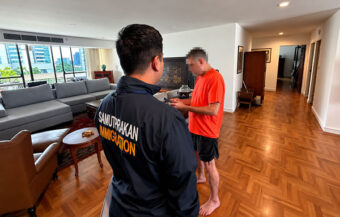
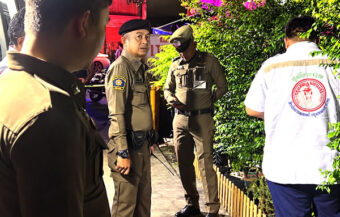
Prime Minister Anutin Charnvirakul has ordered nationwide investigations into companies suspected of concealing foreign control of land and businesses. Under his latest instructions, investigators must establish who actually controls properties and receives their economic benefits.
High-risk cases must reach conclusions by December. Furthermore, the government wants compulsory sales of land found to be unlawfully held. The operation places existing foreign-linked investments under renewed scrutiny.
The crackdown has revived questions about investments established over the past 20 or 30 years. These include property holdings and businesses involving long-term foreign residents and regular visitors. Some investors acquired property interests through Thai companies, spouses or leasehold agreements.
However, arrangements previously regarded by participants as legitimate are now receiving closer attention. The central issue is whether their ownership and control comply with Thai law.
Thai nominee ownership restrictions bring foreign-funded properties and tourism businesses under scrutiny
Thai legislation restricts foreign ownership of land and prohibits nominee arrangements designed to circumvent those restrictions. Consequently, investigators are examining the substance of ownership structures rather than simply accepting registered company shareholders.
They have been instructed to establish who controls the property and who benefits financially. Names appearing on land titles and company records will not settle those questions alone.
Estate agencies are also beginning to acknowledge anxiety among foreign buyers and existing property owners. The uncertainty extends beyond residential property into commercial investments.
In particular, the tourism industry includes foreign-funded hotels, accommodation businesses, restaurants and related enterprises. Some investments represent substantial capital accumulated over decades. Others involve smaller businesses established by foreigners living and working in Thailand.
For these investors, the crackdown concerns existing assets rather than applications for new investment privileges. Meanwhile, the government is examining arrangements that may have been established many years before the latest enforcement campaign.
This includes companies holding property through Thai shareholders. The investigations will focus on whether those shareholders genuinely control the businesses or act for foreign beneficiaries.
Commerce Ministry insists lawful investors remain welcome as foreign business approvals climb sharply
Thai officials have repeatedly insisted that legitimate investors remain welcome. They emphasise that investments complying with Thai law are not targets of the campaign. At the same time, the Commerce Ministry is publicising increased foreign business activity. Its latest figures were released as the government stepped up investigations into nominee ownership.
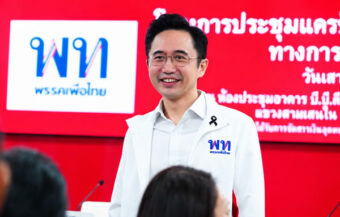
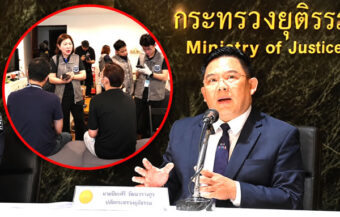
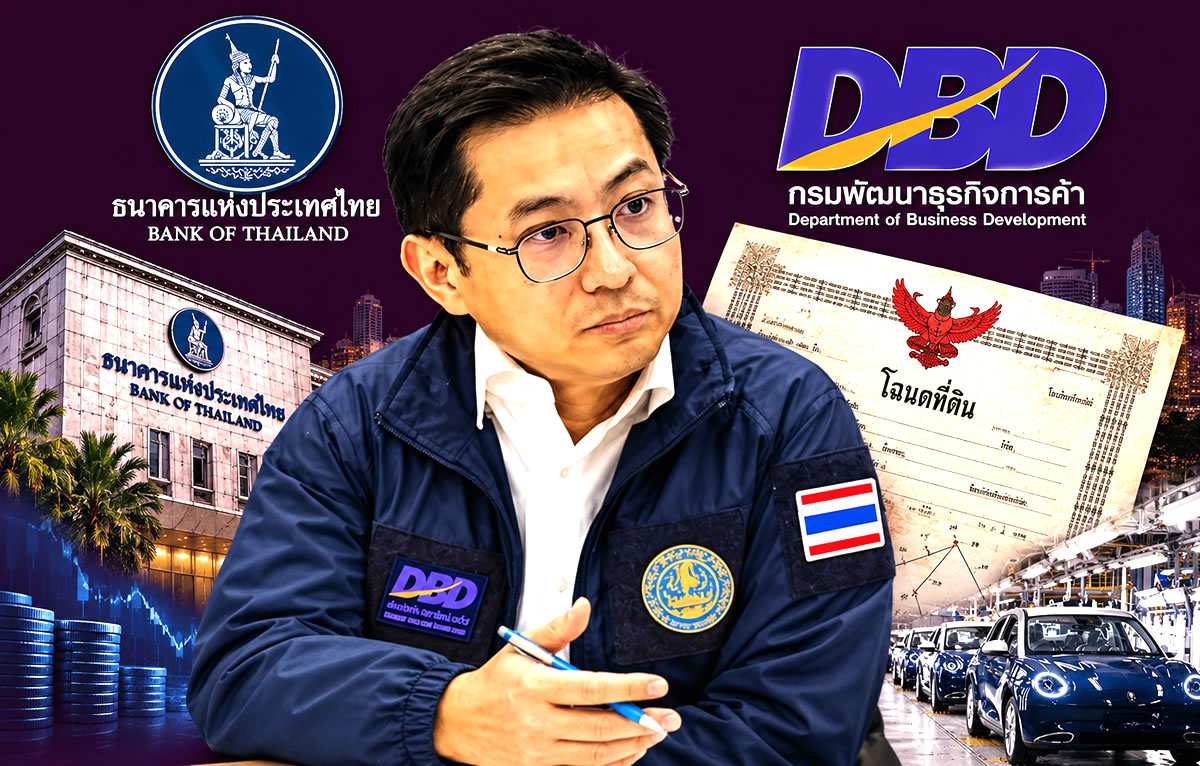
On Wednesday, October 21, Department of Business Development (DBD) Director-General Kittiwat Patchimnan announced the latest foreign business statistics. According to Thai PBS, Thailand authorised 971 foreign businesses between January and September 2026.
Their associated investment totalled ฿271.18 billion. The number of approvals and certifications increased by 26% compared with the corresponding period in 2025. Notably, the associated investment value rose by ฿18.06 billion, representing an annual increase of 7%.
Businesses receiving foreign business licences also reported employing 6,134 Thai workers. This represented a 20% increase from the previous year. The figures indicated continuing foreign business activity despite increased scrutiny of ownership arrangements. However, they did not establish that actual foreign capital inflows were rising.
The distinction lies in what the DBD measures. Its figures concern investment associated with licences, certificates and qualifying foreign business activities. They are not a record of completed foreign capital transfers. An approved business investment may involve expenditure spread across several years. Equally, receiving permission to operate does not establish when the associated investment will be completed.
Foreign business licences and BOI-linked certificates account for most reported investment commitments
The DBD reported 228 foreign business licences and 743 business certificates issued under the Foreign Business Act of 1999. Together, these accounted for the 971 foreign businesses authorised during the nine months.
Separately, 494 approvals or certificates involved businesses operating through Board of Investment (BOI) promotion arrangements. Their associated investment reached ฿201.35 billion.
That amount represented approximately 74% of the total investment value reported by the department. Thus, nearly three-quarters of the headline figure involved businesses linked to BOI promotion arrangements. The remaining total concerned other qualifying foreign business activities. Nevertheless, the overall figure measured associated investment rather than verified inward FDI flows.
The Bank of Thailand provides a different measure through its balance-of-payments statistics. These record inward direct investment, including equity capital, reinvested earnings and financing between related companies. Its latest quarterly figures were updated on September 30. They cover the first six months of 2026 and show an annual decline.
Bank of Thailand figures reveal a fall in actual foreign investment despite rising business approvals
Between January and June, actual inward FDI reached ฿233.21 billion. This compared with ฿244.79 billion during the corresponding period in 2025.
Consequently, inward investment fell by approximately ฿11.58 billion, or 4.7%. The figures remain provisional and may be revised. However, they measure recorded investment flows rather than proposed projects or business permissions.
The quarterly breakdown reveals a substantial reversal during the first half. Between January and March, Thailand recorded inward FDI of ฿82.41 billion. That represented an increase of 83.6% from ฿44.89 billion during the same period in 2025. The opening quarter therefore produced a strong annual increase.
By April, however, the comparative picture had changed sharply. During the second quarter, inward FDI reached ฿150.80 billion. This compared with ฿199.91 billion between April and June 2025. The annual decline was 24.6%, equivalent to approximately ฿49.11 billion. As a result, the second-quarter reduction more than offset the first-quarter increase.
The six-month total consequently fell below the previous year’s level. Moreover, the second-quarter decline was considerably sharper than the overall first-half reduction. The figures show that inward FDI weakened during the latest available reporting period. They do not, however, establish what caused the decline.
Investment commitments offer little clarity on smaller Western investors and existing property holdings
Third-quarter figures have not yet been published. Therefore, a reliable comparison of actual inward FDI for January to September is unavailable. The DBD’s nine-month investment announcements cannot be treated as equivalent to nine months of completed foreign investment. The two datasets also cover different reporting periods.
The difference becomes particularly important when examining the composition of foreign investment. Large multinational projects can involve billions of baht in proposed expenditure.
Industrial plants, digital infrastructure and advanced manufacturing facilities feature prominently in Thailand’s investment promotion system. By comparison, smaller foreign investors often operate in property, hospitality and tourism-related businesses.
A foreign investor placing ฿10 million into a small hotel faces different conditions from a multinational building a factory. Both may involve foreign capital. However, their ownership arrangements, financing structures and exposure to property restrictions can differ substantially. National FDI figures do not separately identify the position of smaller Western investors.
Large industrial projects can also dominate aggregate investment totals. Consequently, substantial commitments by multinational manufacturers do not establish whether smaller investors are expanding or reducing their holdings. Nor do they measure the security of existing property investments held through Thai companies or leasehold structures.
Singapore leads investment value while China tops foreign business approvals and carmakers reassess
The DBD figures provide a breakdown of newly authorised foreign businesses by country. China accounted for the largest number, with 183 businesses involving ฿46.03 billion in associated investment. The United States followed with 160 businesses. Singapore and Japan each recorded 131. However, the rankings changed when measured by investment value.
Singapore led with ฿74.45 billion in associated investment. Japan followed with ฿56.56 billion. China therefore recorded the largest number of authorised businesses but ranked behind both countries by investment value. The comparison illustrates the difference between business numbers and the capital associated with those businesses.
Much of the investment was concentrated in advanced manufacturing, engineering and digital technology. Other prominent sectors included artificial intelligence, electric vehicles and clean energy. These activities frequently involve substantial capital commitments. As such, major industrial and technology projects account for a significant share of reported investment.
The Eastern Economic Corridor remained a major destination for foreign business activity. Covering Chon Buri, Rayong and Chachoengsao, the zone attracted 302 foreign businesses during the first nine months. Their associated investment reached ฿102.74 billion. This represented approximately 38% of the national investment value reported by the DBD.
Japanese automotive investment faces regional competition as Thailand expands its EV sector
The concentration highlights the importance of industrial development within Thailand’s foreign investment figures. However, it provides little information about smaller businesses operating outside major manufacturing centres.
These include foreign-funded tourism enterprises, restaurants, accommodation businesses and property companies. Their ownership arrangements are also among those receiving increased scrutiny.
On another front, Thailand faces changes in investment planning within its established automotive industry. There are persistent reports that Japanese car manufacturers are reviewing their long-term strategies for the kingdom. The developments follow Thailand’s growing emphasis on electric vehicle production, particularly investment by Chinese automotive manufacturers.
Japanese companies continue operating and investing in Thailand. However, reports indicate that some larger future investments are being considered for Vietnam and Indonesia. Indonesia, in particular, has sought to attract Japanese automotive manufacturers and associated investment. The country is competing for projects that might otherwise have been located in Thailand.
Investigators ordered to identify real property controllers and force sales of unlawfully held Thai land
The automotive sector has been central to Thailand’s manufacturing economy for decades. Japanese manufacturers established extensive vehicle assembly operations and component supply networks across the kingdom.
Their investments helped build Thailand’s position as a regional automotive production centre. Meanwhile, the country’s industrial strategy has increasingly incorporated electric vehicle manufacturing and related technologies.
The available figures do not establish how much Japanese automotive investment has been redirected elsewhere. Nor do they identify the effect of changing automotive strategies on first-half FDI.
Nevertheless, the reports concern future investment decisions within one of Thailand’s most established foreign-owned industries. They also coincide with increasing competition from neighbouring manufacturing economies.
Separately, the government’s nominee crackdown is focused on existing business and property ownership arrangements. On October 19, Prime Minister Anutin ordered nationwide investigations into suspected foreign nominee ownership of land. The instructions require officials to examine companies where Thai nationals may be concealing foreign control.
Long-established company structures and leaseholds face renewed scrutiny under foreign ownership laws
Investigators must establish who actually controls properties and receives the financial benefits. In doing so, they must look beyond names appearing in company registrations and land ownership records.
Registered Thai shareholders will not automatically establish genuine Thai control. Instead, investigators must examine the underlying ownership arrangements.
As part of the operation, high-risk cases must reach conclusions by December. Anutin has also called for compulsory sales where land is found to be unlawfully held. The instructions place renewed attention on property companies and foreign-linked ownership structures across Thailand.
Some arrangements were established decades before the current investigations. Others involve businesses and properties that have changed ownership over time. The enforcement campaign therefore reaches beyond newly registered companies. It also concerns existing investments held through structures now facing closer examination.
Thai law restricts foreign ownership of land. It also prohibits arrangements using Thai nominees to disguise foreign ownership or control contrary to those restrictions. However, foreign participation in businesses remains permitted through lawful structures, subject to applicable legislation. Leasehold agreements and property interests involving Thai spouses also have distinct legal requirements.
Smaller foreign investors face uncertainty as business approvals fail to show actual capital flows
The legality of individual arrangements depends on their circumstances and the relevant statutory provisions. Accordingly, the investigations must establish the actual ownership and control of each business or property. The presence of foreign funding alone does not establish an unlawful nominee arrangement.
The crackdown has particular significance for foreigners who acquired property interests through Thai companies. Some investors regarded these arrangements as established routes into Thailand’s property market. However, using Thai nominees to circumvent ownership restrictions is prohibited. The current campaign is bringing those arrangements under renewed scrutiny.
Estate agencies have begun acknowledging anxiety among foreign property buyers and existing owners. The concerns extend to investment security and the treatment of long-established holdings. In parallel, investigations into foreign-controlled businesses have widened attention beyond residential property.
Hotels, accommodation businesses and tourism enterprises are among the sectors involving foreign capital and property interests. Some operate through companies holding land or commercial premises. Others depend on long-term leases. Their legal structures differ, but the enforcement campaign has increased scrutiny of foreign-linked ownership.
Official figures cannot establish whether nominee investigations caused foreign investment decline
Smaller foreign investors face circumstances that differ from those of major industrial corporations. Their capital may be tied to a single property or business. By comparison, large manufacturers often operate through extensive corporate structures and investment promotion arrangements. The DBD’s headline figures do not separate these categories sufficiently to establish their individual investment performance.
In response to concerns over the crackdown, the government has repeatedly stressed that lawful foreign investment remains welcome. Anutin has emphasised that Thailand remains open to investors complying with Thai law. The Commerce Ministry has also continued publicising foreign business approvals and associated investment commitments.
September alone recorded 136 foreign business approvals and certificates. These involved ฿21.92 billion in associated investment. The figures show continued applications and authorisations during the month. However, they do not establish how much capital entered Thailand or whether existing investors retained their holdings.
Nor do they reveal whether foreign property owners are selling assets or postponing further investment. Such an assessment would require evidence from actual capital movements, ownership changes and property transactions. Business closures and investment decisions would also be relevant. Furthermore, a country-by-country breakdown would be needed to examine the position of Western investors.
Foreign business approvals rise while actual inward investment falls and nominee crackdown gathers pace
The available figures cannot establish whether Western investors are disproportionately affected by nominee enforcement. Equally, they cannot demonstrate that the crackdown caused the recorded decline in inward FDI. The first-half reduction is documented, but its causes remain unidentified in the supplied data.
The timing also matters. The Bank of Thailand’s latest figures cover January to June. Anutin’s latest nationwide instructions were issued on October 19. Therefore, the first-half investment decline cannot be attributed to those October orders.
Nevertheless, the government’s announcements present sharply different measures of foreign investment activity. The Commerce Ministry reported 971 authorised foreign businesses during the first nine months. Their associated investment exceeded ฿271 billion, representing an annual increase of 7%.
In contrast, the Bank of Thailand recorded a 4.7% decline in actual inward FDI during the first six months. Notably, the second-quarter reduction reached 24.6% compared with the same period in 2025. That represented a fall of more than ฿49 billion in recorded inward investment.
These figures establish that investment approvals and actual capital flows were not following the same annual pattern. The Commerce Ministry’s figures reflect approved and certified business activities. The Bank of Thailand’s figures record capital movements, reinvested earnings and related financing.
Nominee investigations proceed as Thailand awaits fresh data on foreign capital inflows and confidence
Meanwhile, the government is pressing ahead with investigations into foreign nominee companies and unlawful land ownership. Officials must identify the individuals controlling and benefiting from suspect properties. High-risk cases are expected to reach conclusions by December. Where unlawful holdings are established, the government wants compulsory sales.
The enforcement campaign is proceeding alongside continued promotion of foreign manufacturing, technology and industrial investment. However, the headline approval figures do not establish conditions facing smaller foreign investors or existing property owners. Nor do they determine whether capital is leaving particular sectors.
Crackdown on smaller foreign investors in Thailand has wider implications for external investment going forward
Department of Business Development (DBD) contacts 43 foreign embassies on nominee shareholder firms
Thailand’s stiff restrictions on small foreign investors a significant problem for its daring OECD aspirations
The next Bank of Thailand quarterly figures will provide a clearer picture of inward FDI during 2026. They will show whether the first-half annual decline continued into the third quarter. Until then, the government’s nine-month approval figures cannot establish that actual foreign direct investment is rising.
For now, two developments are confirmed. Thailand is authorising more foreign businesses and reporting higher associated investment commitments. Yet its latest recorded inward FDI fell during the first half of 2026. At the same time, the government is examining foreign-linked property and business arrangements established over decades, with high-risk investigations due by December.
Join the Thai News forum, follow Thai Examiner on Facebook here
Follow Thai Examiner on Google here
Receive all our stories as they come out on Telegram here
Follow Thai Examiner here
Further reading:
Drive against foreign owned property and business on Koh Samui and Koh Phangan now targets leases
International reservations system used by hotels targeted in latest Koh Phangan swoop by ministers
Anutin visits Koh Phangan as nominee crackdown shows 68% of firms with foreign ownership links
Blitzkrieg on foreign firms and enterprises on Koh Phangan continues with French owned resort busted
Russian-Chinese Koh Phangan alliance to sell drugs to foreigners. Accused entered Thailand illegally
Crackdown aimed at upending foreign business trade moves from Koh Phangan to Phuket. Four arrested
Crackdown to wipe out foreign business abuses and ownership on Koh Phangan & Koh Samui intensifies