Bangkok turns on UN rapporteur Tom Andrews over Cambodia findings, accusing him of bias and disputing his 650,000 displaced figure. Thailand says it includes refugee populations dating to the late 1970s and is taking the row to the UN rights council.
Thailand has opened a major confrontation with UN human rights expert Tom Andrews, accusing him of biased reporting, distorted facts and unprofessional conduct over Cambodia. Bangkok says he ignored its June submission, mishandled consultations and misrepresented displacement figures. Mr Andrews cites about 650,000 displaced Cambodians from UN data, while Thailand says the figure includes long-term refugee populations dating back to the late 1970s and should not be presented as displacement caused solely by the current border conflict.
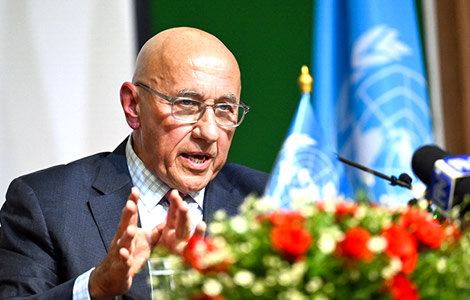
Thailand has sharply criticised a United Nations human rights expert over his reporting on Cambodia. Bangkok accused Tom Andrews of using one-sided information and failing to properly consult Thailand. It also accused him of distorting facts and lacking professionalism and impartiality.
The dispute centres on his recent Cambodian mission and statements concerning the Thai-Cambodian border situation.
On Friday, August 7, the Ministry of Foreign Affairs issued its strongest response yet. The Department of Information said Mr Andrews had unfairly implicated Thailand.
It also accused him of exceeding his authority and failing to thoroughly verify information. Mr Andrews is the UN Special Rapporteur on the human rights situation in Cambodia.
Thailand backs UN rights but challenges Tom Andrews over biased information and methods
In response, Ms Jaithai Upakarnnitikaset set out Thailand’s position in detail. She is Director-General of the Department of Information and Foreign Ministry spokesperson. Thailand, she said, has long cooperated with UN Special Rapporteurs covering human rights issues. More than 40 such mandates currently operate across different areas.
Notably, Thailand is also a member of the United Nations Human Rights Council. The HRC is responsible for approving appointments of Special Rapporteurs. Bangkok therefore drew a distinction between the wider UN human rights system and Mr Andrews’ conduct.
Its objections focused specifically on his methods, findings and treatment of Thailand’s information.
Previously, Thailand had avoided publicly expanding its criticism of Special Rapporteurs’ working methods. That restraint ended after Mr Andrews again commented publicly on the dispute.
The ministry said his latest personal opinions continued to contain incomplete and biased information. It consequently questioned both his approach and the appropriateness of his work.
Bangkok says UN expert ignored its June submission and failed to properly consult Thailand
More seriously, Bangkok said those methods appeared inconsistent with rules governing HRC special mechanisms and mandates. The ministry referred specifically to the code of ethics applying to such work.
It said Thailand’s earlier clarifications had relied on principles and factual information. By contrast, it accused Mr Andrews of presenting distorted material without sufficient verification.
At the centre of Thailand’s case is correspondence sent to the United Nations weeks earlier. On June 24, Thailand’s Permanent Representative to the UN in Geneva formally submitted the country’s position. The letter went to the Office of the High Commissioner for Human Rights. It addressed human rights issues arising from the Thai-Cambodian situation.
Crucially, Bangkok said the UN human rights office recorded and published the information on its official website. Thailand therefore argues that its position was already formally available. Yet Mr Andrews did not include that information in his End of Mission Statement, the ministry said. The statement followed his official visit to Cambodia.
Separately, Thailand challenged the consultation process used before Mr Andrews released his findings. Bangkok said there had been no official coordination or consultation with Thailand. Nevertheless, the country was directly mentioned in his statement. The ministry said that omission raised further questions about his methods.
Thailand and Andrews give conflicting accounts of consultation before his Cambodian findings appeared
Mr Andrews has disputed that account. He said he sent draft material to the Thai government two days before publication. Specifically, the material covered the border conflict and included content concerning Cambodian displaced persons. He said Thailand was given an opportunity to consider those sections.
Bangkok, however, described the communication very differently. The ministry said Mr Andrews merely emailed Thailand a partial draft. It said this did not comply with communication guidelines governing the Special Rapporteur mechanism. Thai officials then replied and requested further clarification, according to the ministry.
Significantly, Thailand said Mr Andrews never responded to that request. That account directly conflicts with his subsequent public statement. Mr Andrews said he received no response from Thailand before publishing his findings. Bangkok insists Thai officials did respond and were then met with silence.
As a result, the row now extends beyond disputed figures and human rights findings. It includes conflicting accounts of communications between a UN expert and the Thai government. Thailand says it sought clarification after receiving incomplete material. Mr Andrews says he received no response to his contact before publication.
Bangkok accuses UN rapporteur of unprofessional conduct and prepares formal complaint to rights council
Against that background, the Foreign Ministry delivered unusually strong criticism of his working methods. It accused Mr Andrews of lacking professionalism, impartiality and proper regard for relevant facts. It also said he failed to consider the perspectives of all parties before presenting his findings.
Further, Bangkok accused the Special Rapporteur of showing disrespect towards Thailand. The ministry stressed that Thailand was directly mentioned in his work.
It also warned that such reporting could easily be used as a tool for political gain. However, the statement identified no specific political beneficiary.
Thailand will now take the dispute directly into the United Nations human rights system. Bangkok plans to write to the President of the Human Rights Council. It will also contact the United Nations High Commissioner for Human Rights. In addition, Thailand intends to formally raise the matter within the HRC.
As part of this, the government will detail its concerns about Mr Andrews’ conduct and procedures. The Deputy Prime Minister and Foreign Minister had previously disclosed the planned action to reporters. Friday’s statement confirmed that Bangkok would proceed with those steps.
Thailand disputes 650,000 displaced figure as Tom Andrews defends his UN-sourced data on Cambodia
Meanwhile, a separate argument concerns approximately 650,000 Cambodian displaced persons. Mr Andrews referred to that figure while discussing human rights issues surrounding the border conflict. Thailand disputes the context in which the number was presented.
According to Bangkok, the 650,000 figure includes Cambodians living in temporary refuge areas provided by Thailand. Those arrangements have existed since the late 1970s. Therefore, Thailand rejects any suggestion that all 650,000 people were displaced by the current border situation.
Earlier, the Foreign Ministry had issued a clarification specifically addressing the figure. It stressed the historical origins of Thailand’s temporary refuge arrangements. At the same time, Bangkok reiterated its commitment to promoting and protecting human rights. It also stressed respect for international humanitarian law.
On another front, Mr Andrews publicly defended his position on August 6, European time. His comments appeared on the Special Rapporteur Cambodia Facebook page. He welcomed the attention received by his statement following the completion of his Cambodian mission.
Tom Andrews defends his Cambodian mission findings as Bangkok disputes consultation and data
Mr Andrews wrote: “I am very pleased with the attention given to the statement I released to the press following the completion of my mission as the United Nations Special Rapporteur on the human rights situation in Cambodia.”
He then addressed criticism from Thailand and other parties. “I am open to feedback on the statement from all parties, including the Thai government.” He said relevant draft material had been sent to Bangkok before publication.
Mr Andrews continued: “Although I did not receive a response to that contact, I remain receptive and eager to discuss and hear the Thai government’s perspective.”
That assertion became a central target of Thailand’s August 7 response. Bangkok maintains that it did answer his email. However, the ministry says Mr Andrews failed to reply when Thai officials sought clarification.
Turning to the displacement figures, Mr Andrews acknowledged Thailand’s public objections. Thai officials had disputed the approximately 650,000 figure because some people reside on Thai territory. He nevertheless said the number had been compiled from a United Nations report.
Mr Andrews said: “I acknowledge the Thai viewpoint, but would like to clarify that the figure is compiled from a United Nations report.” He said his reference to displaced people rested on human rights concerns.
UN rapporteur separates human rights from border claims as he prepares final Cambodia report next month
In parallel, he argued that those concerns remained separate from territorial disagreements. His position was that human rights protections applied regardless of continuing territorial claims. Thailand, however, maintains that the historical context behind the 650,000 figure must be accurately presented.
The dispute will soon feed into another formal UN process. Mr Andrews plans to prepare his final report on Cambodia’s human rights situation next month. That document will then be submitted to the United Nations Human Rights Council.
Ahead of that submission, Mr Andrews said he would again contact the Thai government. He expressed hope that Thai officials would discuss their position with him before publication. Bangkok’s latest response makes clear that it expects a more formal consultation process.
Mr Andrews said: “I sincerely hope to have the opportunity to discuss the matter with Thai officials and hear their perspectives before the report is published.”
Elsewhere in his statement, Mr Andrews addressed the broader Thai-Cambodian border conflict. He stressed the importance of resolving the dispute peacefully and promptly. He said people should be able to return to their homes.
Andrews urges stability and cross-border trade while Bangkok challenges his latest report
Likewise, he referred to the need for a stable and secure environment. He also highlighted the economic consequences for border communities. In particular, he said people should again benefit from economic opportunities created by cross-border trade.
Despite the growing dispute, Mr Andrews also praised Thailand’s stated human rights position. He wrote: “I commend the Thai government for its public commitment to promoting and protecting human rights.” He described this as “a crucial common ground for future joint negotiations.”
Mr Andrews also offered to work with both governments on problems created by the conflict. He particularly identified the situation facing displaced people. He said: “Because whether one is Thai or Cambodian, human rights are equally important.”
For Bangkok, however, the immediate issue is how information involving Thailand was gathered and presented. The government says it formally supplied relevant material through established UN channels on June 24. That material was subsequently recorded and published by the UN human rights office.
Yet Thailand says those facts were absent from Mr Andrews’ End of Mission Statement. It also says there was no proper consultation before findings involving Thailand were released. Furthermore, Bangkok disputes his claim that Thai officials failed to respond before publication.
Thailand takes dispute with Tom Andrews to UN rights council as final Cambodia report approaches
Taken together, the objections have widened the dispute considerably. The argument no longer concerns only the interpretation of displacement figures. It now covers verification, consultation procedures, professional standards and the Special Rapporteur’s mandate.
For its part, Thailand says it has consistently cooperated with the UN’s human rights mechanisms. Its HRC membership also places Bangkok inside the body overseeing Special Rapporteur appointments. The government is now using that forum to challenge how Mr Andrews performed his mandate.
UN Rapporteur warns of a ‘Living Hell’ in Cambodian scam compounds despite Phnom Penh’s crackdown
State theft and modern slavery. Illegal Burmese junta orders migrant workers to pay up for permits abroad
Next, Thailand will send its complaints to senior figures within the UN human rights structure. The issue will also be raised formally before the Human Rights Council. Mr Andrews, meanwhile, will begin preparing his final report for submission next month.
Before then, both sides have said further communication is possible. However, Bangkok has set out clear objections to the process used so far. It wants its June submission, subsequent correspondence and explanations considered before further findings involving Thailand are published.
The next stage will therefore move directly into the HRC process. Thailand has accused Mr Andrews of incomplete reporting, inadequate verification and unprofessional working methods. Mr Andrews has defended his figures and says he remains willing to hear Bangkok’s position. His final report next month will provide the next formal test of that engagement.
Join the Thai News forum, follow Thai Examiner on Facebook here
Receive all our stories as they come out on Telegram here
Follow Thai Examiner here
Further reading:
UN Rapporteur warns of a ‘Living Hell’ in Cambodian scam compounds despite Phnom Penh’s crackdown
Scam networks reorganising on Thailand’s borders and targeting its banking network for laundering
Party leader makes explosive claims linking Hun Sen to Cambodian slave camp run as a scamming centre
Police top brass push back on claims by Cambodia’s Hun Sen that scammers enter through Thailand
Money Laundering Office seizes assets with money trail linked to South African financier Ben Smith
Kla Tham MP dismisses unproven scam centre claims about Deputy Prime Minister Thamanat Prompow
People’s Party warns Anutin of a No Confidence move over cabinet links to Cambodian scam networks
United States, South Korea and United Kingdom act against Cambodian scam industry with Thai tie-ins