As the Senate collusion case reaches its biggest test, Abhisit has urged named politicians to answer publicly, while opposition leaders warn the Election Commission against dropping charges before an August showdown over the fate of 229 people under investigation.
As Thailand’s Senate election collusion investigation reaches its most decisive moment, former prime minister and Democrat Party leader Abhisit Vejjajiva has broken his silence by urging politicians named in the widening inquiry to answer mounting allegations publicly instead of reaching first for defamation lawsuits. His intervention comes as opposition figures intensify pressure on Prime Minister Anutin Charnvirakul and senior Bhumjaithai Party leaders, iLaw warns it holds only a fraction of a reported 90,000 pages of evidence, and the Election Commission faces growing demands to send the case to court ahead of a pivotal decision expected in August that could determine the fate of 229 people under investigation.
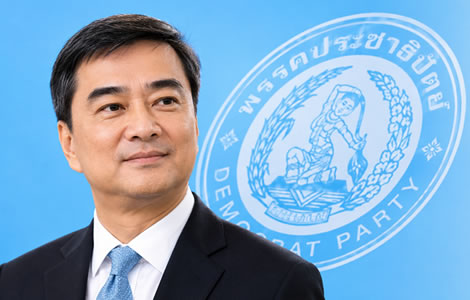
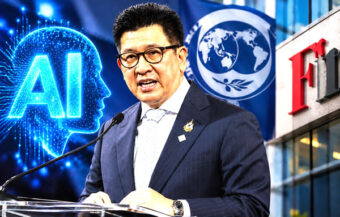
Democrat Party leader Abhisit Vejjajiva has urged politicians identified in iLaw’s Senate election collusion investigation to answer questions publicly before resorting to legal action. He said public figures should accept scrutiny and explain themselves openly. Court action, he argued, should come later if allegations are ultimately proven false.
His remarks followed legal action against Yingcheep Atchanont, director of the Internet Law Reform Dialogue (iLaw).
The lawsuit came after Mr Yingcheep identified nine individuals allegedly linked to the Senate election collusion investigation. However, Mr Abhisit said the disclosures reflected information already contained in official investigations.
Abhisit urges answers before lawsuits over iLaw Senate collusion claims and official investigation findings
According to Mr Abhisit, nobody welcomes criminal proceedings. Even so, he said the information disclosed was consistent with charges already notified by the Election Commission (EC).
Moreover, those familiar with investigations by the EC and the Department of Special Investigation (DSI) already knew who had been implicated. Therefore, he questioned the rush to file defamation lawsuits.
Instead, Mr Abhisit said politicians should respond publicly. He argued that voters expected transparency from elected figures. If the allegations were eventually proven defamatory, those affected would still have every right to seek legal remedies. Until then, he said, public explanations should come first.
Notably, Mr Abhisit said public concern had intensified after the establishment of a special subcommittee examining the case. Reports suggesting that nobody would ultimately be held responsible had added to those concerns. Yet, he said, such reports appeared difficult to reconcile with evidence already circulating publicly.
Public concern as Abhisit points to evidence circulating and questions over Senate inquiry outcome
That material, he said, included financial transaction records, hotel accommodation records and photographs allegedly showing the use of voting lists. Collectively, those documents had raised significant public questions. Consequently, he believed those identified should address the allegations directly instead of remaining silent.
Mr Abhisit also rejected suggestions that the disclosures had been made irresponsibly. Rather, he said they appeared grounded in material gathered during official investigations.
As part of this, he pointed to prosecutors returning the case to the DSI after reviewing the evidence. Prosecutors, he said, had identified seven groups allegedly involved. Those groups included politicians and political parties accused of interfering in the Senate election process.
In response to questions about strategic lawsuits against public participation, Mr Abhisit acknowledged that legal action remained a lawful right. Nevertheless, he distinguished legitimate litigation and lawsuits designed to discourage scrutiny. Public figures, he said, should expect close examination. Attempts to intimidate critics through legal action were inappropriate.
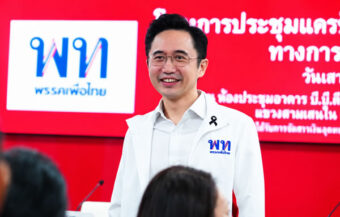
His intervention came as opposition politicians intensified pressure on Prime Minister Anutin Charnvirakul and senior Bhumjaithai Party figures. Separately, People’s Party MP and opposition whip Parit Wacharasindhu demanded that those named in the investigation answer the allegations publicly instead of relying on legal threats.
Opposition presses Anutin and senior Bhumjaithai figures to answer Senate collusion allegations
Mr Parit spoke at Parliament at 12.30 pm on Saturday. His comments followed Bhumjaithai MP Supachai Jaisamut’s statement that a defamation lawsuit against Mr Yingcheep was ready. However, Mr Parit argued that those preparing for legal proceedings should be the people identified in the investigation, not the opposition.
He specifically called on Prime Minister Anutin to explain the allegations. He also named Deputy Prime Minister Songsak Thongsri, Minister attached to the Prime Minister’s Office Suksomruay Wantanayakul and former deputy House speaker Supachai Phosu. Each, he said, should answer questions already raised publicly.
Mr Parit said the information already disclosed was not speculative. Instead, he said it formed part of investigation files already held by both the EC and the DSI. Furthermore, he stressed that the evidence extended beyond witness testimony. It also included alleged financial trails, flight bookings and hotel reservation records.
Those records, he said, could be independently verified. Likewise, witness claims about meetings at particular hotels on specific dates could also be checked objectively. For that reason, Mr Parit rejected suggestions that the investigation relied solely on disputed testimony.
Parit says investigation rests on verifiable records and warns against dismissing witness evidence
He also dismissed criticism directed at witnesses who had contested Senate elections. Many, he said, were reserve senators. Others had already lost the election outright. Consequently, they would not become senators even if the entire Senate were removed. He argued they had little personal incentive to fabricate evidence.
“If the information they provide is untrue, those involved should simply come out and explain it,” Mr Parit said. Otherwise, he warned, continued silence would only deepen public suspicion. Direct answers, he argued, would be more convincing than legal threats.
On another front, Mr Parit warned the Election Commission against selectively pursuing cases according to political affiliation. He described one possible outcome as “sacrificing light blue to protect dark blue”. The phrase referred to what he alleged could be protection for more influential figures within the Bhumjaithai political network.
Mr Parit said he expected the EC to forward the case to court. There, he said, judges could assess the evidence through the normal judicial process. If charges against some or all of the 229 people under investigation were dropped, legal action against EC officials could be considered for alleged abuse of authority.
Opposition warns of legal action if Election Commission drops charges against collusion suspects
Meanwhile, he warned that parliamentary pressure would continue regardless of the investigation’s outcome. If senior ministers refused to answer questions, the opposition could launch a no-confidence debate. In parallel, it could submit parliamentary questions and pursue committee investigations examining the allegations.
Meanwhile, Mr Yingcheep said he had seen only a small proportion of the evidence collected by investigators. He estimated that the combined EC and DSI files totalled about 90,000 pages. However, he said the material available to him represented only around 5% of the EC’s evidence. Even then, only a fraction of that material had been released publicly.
Mr Yingcheep said the full body of evidence should be tested through the courts if the EC proceeds with charges. Conversely, he outlined a different approach if the investigation ended without prosecution. If suspects were acquitted despite what he described as clear evidence, he said he would release additional information publicly.
He also challenged those named in the investigation to explain the facts themselves. “If they come out and explain everything, then it is over,” he said. In his view, those involved knew far more about the events than he did. Therefore, they were best placed to answer the allegations.
Yingcheep says only a fraction of 90,000 pages has been seen and urges those named to explain themselves
Addressing criticism of witness credibility, Mr Yingcheep said the public could decide whom to believe. Even so, he insisted the investigation involved numerous witnesses alongside financial trails connected to the case. Together, he said, the evidence painted a broader picture than witness testimony alone.
Mr Yingcheep also said he was prepared to answer any legal complaints filed against him. If summoned, he would formally acknowledge the charges and respond through the legal process. He said he was ready to defend the disclosures in court.
Abhisit shifts to active support for opposition’s efforts to expose massive collusion in 2024 Senate election
Showdown on the Senate election collusion case in August as Election Commission set to finally decide
Finally, Mr Yingcheep said his next steps depended on the Election Commission’s decision. If the EC dropped the case and judicial proceedings ended without charges, he would consider releasing additional financial trail evidence.
Alternatively, if charges were filed quickly, he would stop making public statements. Instead, he said the evidence should be presented and tested openly before the courts. He also urged the opposition to continue using parliamentary mechanisms to question the prime minister, ministers and other government figures over the Senate election collusion investigation.
Join the Thai News forum, follow Thai Examiner on Facebook here
Receive all our stories as they come out on Telegram here
Follow Thai Examiner here
Further reading:
Opposition and People’s Party leader attacks ‘blue regime’ on the 12th anniversary of the 2014 coup
Thammasat University legal scholar and 1992 protest leader warns another coup cannot be ruled out