Phuket is considering tripling hotel taxes to 3% in a move that could raise up to ฿1.5 billion a year. Officials are also targeting thousands of unregistered hotels as the island pushes for 14 million tourists and more development funding.
Phuket is weighing a dramatic overhaul of its tourism funding model, with officials considering a plan to triple hotel taxes and raise up to ฿1.5 billion a year by targeting thousands of accommodation operators outside the tax system. Unveiled by outgoing Governor Nirat Pongsitthithavorn as he awaits formal transfer from office, the proposal would lift the levy to the maximum rate allowed by law, creating a powerful new revenue stream for development projects, global tourism promotion and an ambitious drive to boost annual arrivals from 11 million to 14 million.
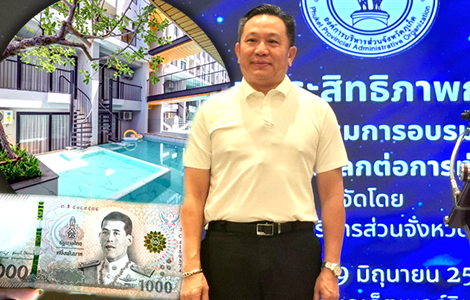
Phuket authorities are considering a proposal to triple the province’s hotel tax rate from 1% to 3%, a move that could generate up to ฿1.5 billion annually for local development and tourism promotion.
The proposal was raised on Friday during a tourism management workshop held against the backdrop of the global energy crisis.
Speaking at the event, outgoing Phuket Governor Nirat Pongsitthavorn said existing law already allows provinces to levy hotel development taxes of up to 3% of room rates.
Phuket eyes maximum hotel tax rate as officials seek billions more from tourism accommodation sector
However, Phuket currently applies a rate of just 1%.
By comparison, neighbouring Phang Nga charges 2%. In most cases, the tax is already included in the room rates paid by visitors.
Mr Nirat said increasing Phuket’s rate to the legal maximum would significantly strengthen the finances of the Phuket Provincial Administrative Organisation (PAO).
According to the governor, raising the levy to 3% would generate about ฿1 billion a year.
That figure, however, reflects revenue collected from accommodation operators already within the legal system.
A larger opportunity lies elsewhere. Many hotels continue operating outside the registration framework and therefore remain beyond effective tax collection.
Unregistered hotels seen as key target as Phuket seeks to expand collections and annual revenues
If those businesses were brought into compliance, annual revenue could increase to around ฿1.5 billion, Mr Nirat said.
The proposal reflects the central role tourism plays in Phuket’s economy.
Hotels, restaurants and tourism-related services generate the province’s largest share of income.
At the same time, the sector remains Phuket’s biggest employer.
For that reason, Mr Nirat argued that tax contributions should be proportionate to tourism’s economic importance. The governor said additional revenue would support both development projects and tourism promotion.
Currently, part of the PAO’s hotel tax income funds international roadshows designed to market Phuket overseas.
Additional hotel tax income could help fund overseas promotion and boost visitor growth targets
Those campaigns are aimed at attracting new visitors and strengthening the island’s position in competitive tourism markets.
With a larger budget, more promotional activity could be undertaken.
That objective is closely tied to Phuket’s visitor targets. Last year, the island welcomed approximately 11 million tourists. Now, local authorities are targeting 14 million annual arrivals.
Consequently, officials see marketing expenditure as an important investment rather than a routine expense.
Yet while Phuket seeks more visitors, it also faces a longstanding compliance problem. A substantial share of accommodation businesses remains outside the formal registration system.
Mr Nirat said many unregistered hotels avoid paying taxes altogether.
Governor says majority of accommodation operators remain outside the formal registration system
Meanwhile, legally registered operators continue to meet regulatory and financial obligations.
Under existing regulations, registered hotels are required to pay a local improvement fee ranging from 1% to 3%.
Nevertheless, the governor estimated that around 80% of hotels remain unregistered.
That leaves a large segment of the accommodation sector beyond normal oversight.
“As for the remaining 80% of hotels not currently registered, how can we bring them into the system? If they don’t encroach on public land or beaches, they must apply for the correct permits,” said Mr Nirat.
The governor said the priority is to encourage legal compliance rather than create new regulations.
Once operators enter the system, authorities would be better positioned to collect revenue and monitor standards.
Revenue Department to assist Phuket efforts to improve compliance and strengthen tax collection
Notably, Mr Nirat stressed that registration status does not remove all tax liabilities.
“Even unregistered hotels would still have to pay maintenance taxes to the Phuket PAO.”
To address the issue, provincial authorities plan to work more closely with the Revenue Department.
The aim is to ensure taxes are followed up on and collected through a coordinated process.
According to Mr Nirat, that can be achieved under existing legislation. As a result, authorities do not believe legal amendments will be required. Instead, the focus is on enforcement and improved administration.
The governor suggested the financial gains could be substantial.
“If we received development funds from hotels of 4-5 billion baht per year, we could develop Phuket. It’s about showing love for Phuket by helping to pay taxes to support Phuket’s sustainable development,” Mr Nirat said.
Hotel tax debate unfolds as transferred governor remains in office pending Royal Gazette order
The discussion comes during a period of uncertainty within Phuket’s administration.
Earlier this week, Interior Minister Anutin Charnvirakul ordered the transfer of Mr Nirat and his deputy governors.
Mr Anutin said a feud within the provincial administration was disrupting operations. Despite that decision, the governor remains in office.
Minister proposes levy for tourists travelling to Koh Samui to fund better infrastructure and support
High level shakeup in Phuket. Governor and deputies transferred out after a complex power struggle
The transfer order has yet to be formally published in the Royal Gazette. Until that process is completed, Mr Nirat continues to perform his duties.
Against that backdrop, the hotel tax proposal remains under active consideration.
If approved, Phuket would move to the highest hotel tax rate currently permitted by law.
More importantly, local authorities believe the measure could create a significant new revenue stream without introducing new legislation.
For a province built around tourism, the debate is increasingly focused on how existing powers can be used to capture more revenue from an industry that dominates the local economy.
Join the Thai News forum, follow Thai Examiner on Facebook here
Receive all our stories as they come out on Telegram here
Follow Thai Examiner here
Further reading:
UK’s Tiger Duggan dies in Bangkok. Never regained consciousness after a motorbike crash on Koh Samui
Outpouring of love for UK man fighting for life after horrific Koh Samui motorbike smash last Sunday
Deadly danger of motorbikes in Thailand, 2 dead in 1 day while an Australian’s dreams are smashed