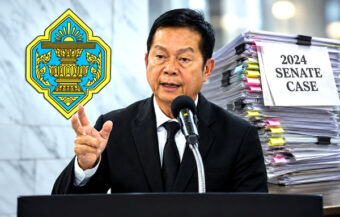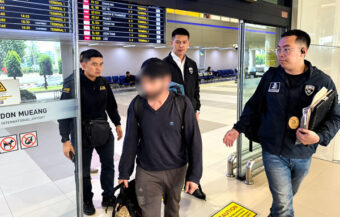
Deputy Prime Minister Pakorn Nilprapunt is preparing reforms to speed deportations, end lengthy detention for foreign offenders and cut state costs. Backed by PM Anutin, the plan targets criminals, scam gangs and illegal operators while easing overcrowded centres.
Deputy Prime Minister Pakorn Nilprapunt is preparing legal changes ordered by Prime Minister Anutin Charnvirakul that could transform Thailand’s deportation system, speed the removal of foreign offenders and reduce pressure on overcrowded immigration detention centres. The proposed reforms would end a long-standing requirement for deportees to fund their own flights home, a rule that has left some foreigners detained for months or years while the state absorbs mounting detention costs and faces scrutiny over facilities where detainees have died in custody.
Prime Minister Anutin Charnvirakul’s drive to accelerate the deportation of foreign offenders could reshape a system that has remained largely unchanged for decades.
The initiative is designed to speed removals, reduce detention costs and close legal gaps that officials say have prolonged the stay of foreign lawbreakers in Thailand. At the same time, the proposed reforms could shorten lengthy periods spent in immigration detention by many deportees unable to fund their own departure.
The policy emerged from a cabinet discussion on June 16. During the meeting, Mr Anutin instructed Deputy Prime Minister Pakorn Nilprapunt, the Immigration Bureau and the Ministry of Interior to review immigration laws and related regulations.
Government targets faster deportations to stop repeat offending and tighten enforcement of Thai law
The goal was straightforward. Foreign offenders should be prosecuted, removed from Thailand more quickly and prevented from resuming unlawful activities while awaiting deportation.
According to government spokesperson Rachada Thanadirek, the Prime Minister told ministers that the government has intensified action against foreigners involved in transnational crime, call centre fraud, nominee business arrangements and illegal commercial operations. Yet deportation procedures often remain slow. As a result, offenders can remain in Thailand long after arrest and prosecution.
Under current procedures, foreign suspects facing criminal charges must first pass through the Thai judicial process. Only when proceedings are completed can deportation orders be enforced. In some cases, suspects are granted bail while awaiting trial or final judgments.
Although passports are generally surrendered, officials say some individuals return to their normal activities during this period. Once legal proceedings conclude, they are transferred into immigration custody pending removal from the country.
Immigration law requires deportees to fund flights home, creating lengthy delays in removals
However, a second obstacle frequently emerges after detention begins. Under Sections 54 and 55 of the Immigration Act 1979, deportees are generally responsible for paying the costs of their own removal.
In practice, that means securing an airline ticket before departure can occur. Moreover, the ticket must usually be purchased at a full fare. It cannot be cancelled or subject to arrangements that could leave the passenger without a confirmed seat.
Consequently, many detainees remain in custody because they cannot afford to leave. Some rely on relatives or friends overseas. Others seek help from embassies. In many cases, funding takes months to arrange. Until then, deportation orders remain unexecuted and detention continues.
Over time, this has created a costly burden for the state. Immigration authorities must provide accommodation, security, healthcare and administrative supervision for detainees awaiting removal. Meanwhile, facilities continue to house individuals whose criminal cases have already ended. The longer the delay, the greater the cost.
Overcrowded detention centres face scrutiny after years of prolonged confinement and detainee deaths
Notably, the issue extends beyond finances. Immigration detention centres have faced criticism for years due to overcrowding and prolonged confinement. Several foreign detainees have died while in custody over the past decades.
Among them was an American national. At the same time, numerous detainees have spent extended periods in detention while waiting for travel arrangements to be completed.
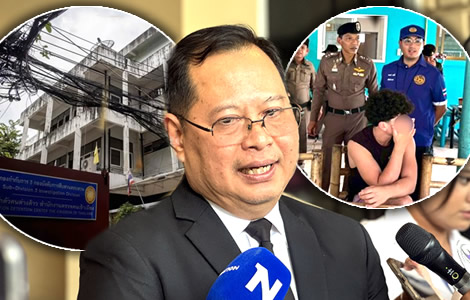
In response, the government is examining legal amendments that would allow deportations to proceed more rapidly. Deputy Prime Minister Pakorn outlined the proposal on Friday afternoon at Government House.
Speaking at 2.30pm, he confirmed that immigration laws and related regulations are under review. He said the current framework creates delays after arrest and detention while also generating significant costs for the government.
Mr Pakorn said the Prime Minister launched the initiative after examining developments in other jurisdictions. He pointed specifically to changes made in parts of Europe to accelerate deportation procedures. Therefore, Thailand intends to align aspects of its system with international practice while maintaining compliance with legal obligations.
State-funded removals seen as cheaper than years of detention and supervision of deportees
Under the proposed reforms, the government would no longer depend entirely on detainees funding their own removal. Instead, authorities would be able to allocate budget resources to facilitate deportations directly. Officials believe this would significantly shorten detention periods and reduce pressure on immigration facilities.
From the government’s perspective, the economic argument is clear. Mr Pakorn said immediate deportation would cost less than prolonged detention. Housing detainees for years requires ongoing spending. By contrast, arranging prompt removal would involve a single expenditure followed by the closure of the case.
When asked whether the reforms would require a large budget, Mr Pakorn argued that the current system is ultimately more expensive.
He said sending detainees home immediately would be cheaper than supporting them in detention before eventually deporting them anyway. According to his assessment, prolonged care creates a financial obligation that can continue for years.
Police and Interior Ministry set for talks as government prepares immigration law amendments
Separately, Mr Pakorn acknowledged that officials still need precise figures before final budget estimates can be produced. Authorities must first determine the number of detainees likely to be affected by the reforms. Nevertheless, he suggested costs could be highest during the first year as existing backlogs are addressed.
After that, he expects expenditure to decline. He argued that stronger enforcement and more efficient procedures would reduce the number of long-term detainees entering the system. As part of this process, the government intends to review both legislation and administrative regulations governing deportation procedures.
Next week, Mr Pakorn is scheduled to hold discussions with the Royal Thai Police and the Ministry of Interior. Following those consultations, draft amendments will be prepared and submitted as quickly as possible. The government wants the legislative process to move without delay.
Meanwhile, the initiative forms part of a broader campaign against foreign criminal activity. Authorities have expanded surveillance and investigative operations across several provinces in recent months. Police have repeatedly said that foreign suspects often concentrate in tourist destinations where they can blend into expatriate communities and established business networks.
Enforcement expands across tourist hotspots as authorities target foreign criminal networks
Accordingly, enforcement efforts have intensified in several high-profile locations. These include Phuket, Koh Phangan in Surat Thani, Pai in Mae Hong Son and Hua Hin in Prachuap Khiri Khan. Officials say such areas require closer monitoring because of the concentration of foreign residents and visitors.
On another front, the government is also seeking to reinforce a broader message regarding foreign visitors.
Officials insist Thailand remains open to tourists, investors and legitimate business operators. However, the administration has drawn a sharp distinction between lawful visitors and those who violate Thai law.
Ms Rachada said the Prime Minister stressed this point during the cabinet meeting. “Thailand is glad to welcome foreign tourists, investors and business operators,” she quoted Mr Anutin as saying. “For those who arrive and violate laws or cause damage to the country, they must be prosecuted decisively and deported as soon as possible.”
New reforms aim to cut detention times while maintaining security and the state’s legal obligations
Equally important, the Prime Minister instructed agencies to ensure any reforms remain consistent with national security requirements, public interests and Thailand’s international obligations. The government has made clear that legal changes must balance enforcement objectives with existing legal commitments.
For immigration authorities, the proposed reforms promise a more streamlined process. At the same time, for the government, officials expect lower long-term detention costs. For detainees awaiting removal, the changes could eliminate one of the biggest causes of prolonged confinement.
16 street hookers, mostly African, sent to Immigration detention centre on Friday awaiting deportation
23-year-old Russian beauty queen being held in a Thai prison after overstaying her visa by 10 days in Pattaya
UK man claims FBI investigating the death of 41-year-old American held at Thai immigration jail in May
For decades, many deportees have remained behind bars not because legal proceedings continued, but because they lacked the funds to leave Thailand. Under the proposed amendments, that obstacle could be removed.
If the reforms proceed as planned, deportation orders could be carried out more quickly, detention populations could fall and a long-standing bottleneck within Thailand’s immigration system could finally be addressed.
Join the Thai News forum, follow Thai Examiner on Facebook here
Receive all our stories as they come out on Telegram here
Follow Thai Examiner here
Further reading:
Millionaire Thai beggar woman picked up by police in Thursday crackdown in Bangkok’s Sukhumvit area
Chinese visa scheme linked to Chinese beggars on Bangkok’s streets as PM accepts its failures
Chinese police patrols plan dumped by ministers quickly after public backlash threatened to erupt