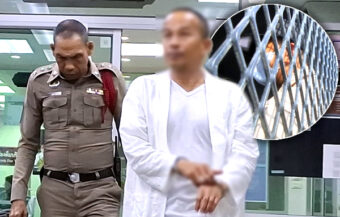
Thai granddad Vicha, 84, was killed on a San Francisco morning walk in a shove caught on video. Jury clears Antoine Watson of murder, convicts him of manslaughter in a case that fueled the Stop Asian Hate campaign. Family furious as the city now awaits sentencing.
Vicha Ratanapakdee’s daughter criticised the US justice system on Thursday after a San Francisco jury cleared 24-year-old Antoine Watson of murder and elder abuse. The panel convicted Watson only of involuntary manslaughter for the 2021 street attack that killed the 84-year-old Thai grandfather. Defence lawyers said family turmoil the night before led to an impulsive assault. The January incident fueled a nationwide campaign across the United States against anti-Asian hate, particularly in the aftermath of the COVID-19 era.
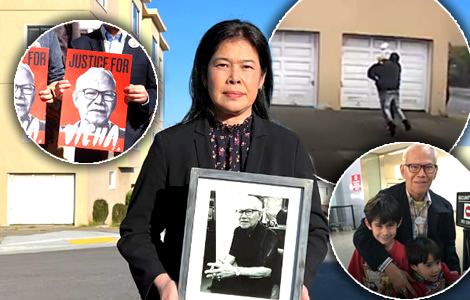
Vicha Ratanapakdee stepped outside before sunrise for his regular walk. Then the 84-year-old Thai immigrant followed the same quiet route. Moments later, he lay unconscious on a San Francisco sidewalk. Soon, his death became a national symbol of fear among Asian Americans.
A jury on Thursday found Antoine Watson, now 24, guilty of involuntary manslaughter. However, jurors rejected murder and elder-abuse charges. Also, they convicted Watson of assault with force likely to cause injury. Afterwards, the long trial that began in early December came to an end.
The attack in January 2021 shocked communities across the country. Earlier, a neighbour’s security camera captured the violence in Anza Vista. In the video, Watson ran across the street at full speed. Then he slammed into the smaller man without warning. Ratanapakdee struck his head hard on the pavement. After that, he never regained consciousness.
Grandfather died after a shove as video spread and case became a symbol for Asian American fear
Doctors said the grandfather died two days later from a brain haemorrhage. Immediately, family members called the assault unprovoked. Soon, the footage spread rapidly on social media. As a result, many Asian Americans called the victim Grandpa Vicha. Before long, his name became linked to the Stop Asian Hate movement.
The San Francisco District Attorney’s Office declined to comment after the verdict. Instead, officials said the jury remained empanelled for further proceedings.
Next jurors will return on January 26 to hear aggravating factors. Then, sentencing will be scheduled after that phase. Watson could face up to nine years in state prison.
Prosecutors told jurors the attack was intentional and malicious. In contrast, defence lawyers argued Watson acted impulsively. Throughout the trial centered on his state of mind. Therefore, the key issue was whether he knew death could result.
Defendant tells court he felt confusion while lawyers recount turmoil before street encounter
Watson testified in his own defence during the trial. First, he admitted to shoving the older man to the ground. Yet he denied any intent to kill. Also, he said he felt confused and angry that morning. Further, he claimed he could not tell the man’s race. Likewise, he said he did not know the man’s age.
The defence described turmoil in Watson’s life the night before. Earlier, he had a family dispute and a traffic accident. Later, he slept inside his car on the street. By morning, he could not start the vehicle. Meanwhile, a neighbour heard him yelling outside. Minutes later, he encountered Ratanapakdee on the corner.
Watson did not call emergency services after the shove. On the recording, the older man lay motionless on the pavement. Soon, passersby came to help the injured grandfather. Although the incident lasted seconds, the damage proved fatal.
Hate-crime charges were never filed by prosecutors. Because such counts require proof of racial motive. Also, officials cited the lack of statements by the suspect. Nevertheless, the family insisted the attack was racially driven. Still, that argument was not presented to jurors.
Public defender offers sympathy as community recalls years of hostility toward Asian elders
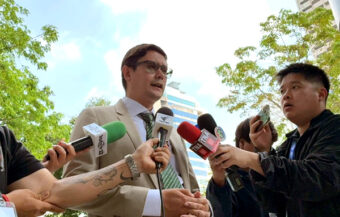
Public Defender Mano Raju extended condolences to the family. At the same time, he said Watson was fully remorseful for his mistake. Moreover, Raju said the system must examine facts in balance. Throughout his office, Watson has been on trial.
The killing occurred during a surge of hostility toward Asians. Accordingly, advocacy groups recorded thousands of incidents nationwide. From 2020 to 2021, the Stop AAPI Hate coalition logged over 10,000 reports. These included shunning, racist taunts and physical assaults.
Some observers blamed a hostile reaction to the COVID-19 emergency and its origin in China for the outbreak. However, Asians in America have long faced prejudice and discrimination. Leaders said the pandemic revived old stereotypes. Consequently, many families feared for elderly relatives outdoors. For many, the video of Grandpa Vicha confirmed those fears.
In 2022, hundreds gathered in five U.S. cities to honour Vicha. During those events, marchers demanded justice and safer streets. Later murals and memorials appeared across San Francisco. Today, a mosaic stairway still carries his name. Yet a Chinatown mural was removed just last week.
Jurors review footage as experts explain the danger of falls and lawyers debate reckless conduct
During the trial, jurors watched the grainy footage many times. Then, medical experts explained how falls endanger elders. Meanwhile, the defence said the shove was reckless but not murderous. In reply, prosecutors insisted the force showed disregard for life.
Ratanapakdee had retired from auditing work in Thailand. After retirement, he moved to live with his family in California. Relatives said he was gentle and disciplined in daily habits. Each morning, he enjoyed the same early walk.
His daughter Monthanus attended most days of testimony. After the verdict, she expressed disappointment with the outcome. Also, she said she saw little remorse from Watson. Next, the family plans to pursue a civil lawsuit. In addition, they will continue advocacy on elder safety.
Legal observers said the verdict reflected strict murder standards. Under the law, jurors had to find malice beyond a doubt. Finally, the panel settled on the lesser charge. The assault count included a finding that the victim was elderly.
City follows the case closely as elders change their routines and scholars call the killing a turning point
Across San Francisco, residents followed the case closely. Since the attack, some older Asians avoid walking alone. As a result, community groups organised self-defence classes. Meanwhile, police say bias reports have declined since 2021.
Scholars said the case altered the national conversation on race. For example, Professor Russell Jeung called it a lightning rod moment. He helped create the Stop AAPI Hate coalition. According to Jeung, the killing confirmed fears already rising.
The movement has since broadened its focus beyond the case. Recently, activists have tracked online rhetoric against South Asians. They also watch the impact of deportation efforts on Asian communities. Yet the name of Grandpa Vicha remains central.
Supporters gathered outside the courthouse during the trial. Some carried portraits of the smiling grandfather. Others held signs demanding murder convictions. Throughout the weeks, the proceedings reopened old wounds.
Court prepares for sentencing as family says verdict closes only one painful chapter
The jury will now weigh aggravating factors in the case. After that, the judge will schedule a formal sentencing date. Victim statements are expected to be read in court. Then the legal process will reach its final stage.
For many Asian Americans, the verdict closes one chapter. Still, the images from that January morning circulate online. The brief encounter on a quiet street changed many lives. Grandpa Vicha’s walk became part of the nation’s memory.
The security video showed a tall figure rushing forward. Then the smaller figure crumpled onto the concrete. No words were heard on the recording. Seconds later, the attacker walked away.
Ratanapakdee’s family described the loss as devastating. Before the attack, he helped care for his grandchildren. Neighbours said he often greeted them with a smile. After his death, the household fell into grief.
The trial began nearly five years after the incident. During opening statements, prosecutors called the shove deliberate. Meanwhile, defence attorneys stressed emotional distress. Over the weeks, witnesses recounted the chaotic morning.
Medical experts describe fatal bleeding as memories of pandemic violence return to court
Experts told jurors the skull fracture caused massive bleeding. Therefore, doctors could not save the patient. At the hospital, relatives kept vigil for two days. Then physicians pronounced him dead.
The verdict revived memories of the pandemic period. At that time, reports of anti-Asian attacks spiked sharply. Many elders avoided buses and public parks. Community leaders demanded better protection.
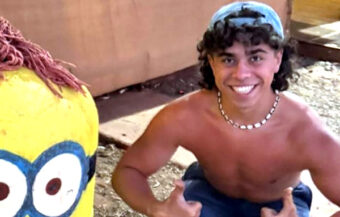
Watson was 19 when the shove occurred on the street. Now he is 24 and awaits sentencing in custody. His future will depend on the upcoming hearing. The family waits for a measure of closure.
The case file included testimony from neighbours and police. Also, jurors reviewed photographs of the scene. In addition, they heard from medical specialists. After deliberations, they reached a mixed verdict.
Outside the court, some activists voiced anger at the result. Others said they respected the jury’s decision. Across the city, conversations continued about safety. Yet the legal process followed its course.
Memory of Grandpa Vicha remains across San Francisco as court moves toward final decision
The story of Grandpa Vicha remains woven into San Francisco. On stairways tiles bear his image in bright colours. At community centres, his name is spoken of often. Even now, residents recall the morning walk.
The next hearing will determine aggravating circumstances. Afterwards, the judge will choose a prison term. Under state law, the maximum is nine years. The defence may seek a shorter sentence.
Reporters who covered the trial said emotions ran high. During testimony, some jurors wiped away tears. Security remained tight inside the courtroom. Each day, family members sat in the front row.
Murder charge for 19 year old who barrelled down elderly 84-year-old Thai man in San Francisco
Hatred of Asian Americans driven by prejudicial anger is real and a threat to US Thai communities living in fear
The verdict did not answer every question about motive. Still, it established criminal responsibility for the death. The assault conviction confirmed the use of dangerous force. The manslaughter count acknowledged the fatal result.
Ratanapakdee’s portrait continues to appear at rallies. Often, speakers mention his early morning routine. They describe how an ordinary walk turned deadly. The account has become part of community history.
As the city awaits sentencing, the memory endures. For neighbours, the corner no longer feels ordinary. For the family, the loss remains immediate. And for many, Grandpa Vicha’s name still echoes.
Join the Thai News forum, follow Thai Examiner on Facebook here
Receive all our stories as they come out on Telegram here
Follow Thai Examiner here
Further reading:
Murder charge for 19 year old who barrelled down elderly 84-year-old Thai man in San Francisco
UK beauty spot may have disguised the grim murder of a Thai bride from Udon Thani for over a decade