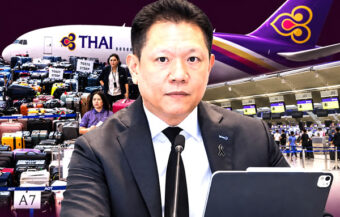
Thailand trips to cost more as a minister-chaired panel approves a 53% airport tax hike, pushing up return fares for foreign travellers. The sharp increase, rising to ฿1,120, is set to take effect next year and will add pressure to already rising travel costs.
A decision by the Civil Aviation Authority of Thailand (CAAT) on Wednesday could sharply raise the cost of return tickets to Thailand for foreign tourists. The agency’s board, chaired by Transport Minister Phiphat, approved a 53% jump in the country’s airport tax. The levy will rise from ฿730 to ฿1,120. The increase adds ฿390, or about $12, pushing the departure charge to roughly $35 on its own. The new rates are set to take effect early in 2026 after mandatory administrative steps. It will raise the Airports of Thailand (AOT) approximately ฿10 billion in extra revenue.
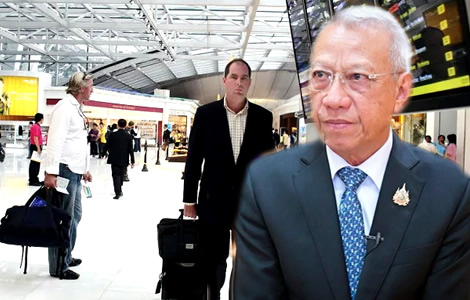
The Civil Aviation Board has approved a 53% rise in Thailand’s airport tax for outbound international passengers. Moreover, the decision follows an application by Airports of Thailand (AOT) seeking a higher passenger service charge.
Transport Minister Phiphat Ratchakitprakarn chaired the board meeting on Wednesday. He confirmed that the charge will increase from ฿730 to ฿1,120. The new rate is expected to take effect early next year.
The passenger service charge is bundled into airline tickets at the point of purchase. Therefore, passengers will see the new rate reflected directly in fares. The change applies to all outbound international flights operating from airports run by Airports of Thailand, known as AOT.
The six major airports managed by AOT and the steps required before implementing the higher charge
The company manages six major airports. These include Suvarnabhumi, Don Mueang, Phuket, Chiang Mai, Hat Yai and Chiang Rai. Together, they handle roughly 35 million international passengers per year.
AOT must complete several steps before implementing the higher charge. First, the company will gather feedback from relevant groups. Then it will present the final documents to the transport minister for approval. After that, AOT must publicise the new rate four months before enforcement.
This requirement ensures airlines and passengers receive clear and timely notice. It also gives travel agencies a window to adjust systems and pricing structures.
AOT has linked the proposed increase to operational needs. Earlier statements from the company estimated about ฿10 billion in additional annual revenue from the new fee. The estimate reflects steady international traffic across the six airports.
Operational demands across Thailand’s airports and how added revenue will support facilities and safety
Suvarnabhumi remains the country’s busiest hub. It handles long-haul traffic and a large share of regional connections. Don Mueang manages heavy low-cost carrier volumes. Meanwhile, Phuket and Chiang Mai record strong passenger numbers during peak seasons linked to tourism cycles. Hat Yai and Chiang Rai serve important regional flows. These facilities together support rising activity and constant infrastructure demands.
The Civil Aviation Board said the higher fee will support improvements across the network. It stated that the added income will be directed toward passenger facilities. It also pointed to safety-related needs that require steady funding.
Moreover, the board said the revenue will help ease congestion inside terminals. It noted that investment will target screening systems, passenger movement areas and service points. The board stressed that the objective is stronger service and higher operational standards.
Airports continue to face rising traffic. International travel has stabilised at higher levels. As a result, operators see increased costs. Security systems require regular upgrades. Maintenance cycles are more frequent. Digital tools need constant updates.
Airport expansion programmes and plans for service upgrades behind approval of the fee rise
AOT has argued that stable revenue is necessary to maintain operations. The board accepted the data presented in the application. It also reviewed projected passenger levels before granting approval.
The fee increase comes amid long-term expansion programmes. Suvarnabhumi is undergoing terminal and airfield upgrades. Don Mueang is adjusting operations to manage higher passenger flows. Phuket and Chiang Mai are preparing for peak season surges. Hat Yai and Chiang Rai continue to support regional flights that require regular investment. These pressures have influenced AOT’s approach to its revenue model.
The board’s approval removes a key administrative barrier. However, the next phase focuses on coordinated implementation. Airlines will need to update fare structures. Travel agents must revise booking systems.
Passengers will see the updated charge in fare breakdowns after final approval. The timing depends on the transport minister’s endorsement. Industry observers expect a smooth process due to established regulatory procedures.
AOT’s need for new revenue to address operational pressures prompted the significant fee increase
AOT will now prepare a detailed plan for spending the additional revenue. The Civil Aviation Board has emphasised service quality and safety. These categories include infrastructure, operational systems and terminal functions.
The company is expected to outline priorities when submitting final documents. The government has issued no indication of further changes to related fees.
The size of the increase is notable. The rise from ฿730 to ฿1,120 marks one of the largest adjustments to the international passenger service charge. It reflects changing operational realities across major airports.
Traffic has shifted in recent years. Costs have moved upward. Moreover, airports face higher expectations from travellers. These expectations include faster processing, better screening zones and improved terminal amenities. These factors place pressure on operators to secure reliable funding.
How the new international passenger charge will shape fares and planning ahead of AOT’s implementation
The new rate will influence fare structures across all international airlines operating from AOT airports. It will also affect travel planning for outbound passengers early next year.
However, the fee remains a standard part of international ticketing. It is included automatically at the time of purchase. Travellers do not pay it separately at the airport.
The process now moves toward public announcements. AOT must give at least four months’ notice before enforcing the new rate. This notice period is required under existing regulations. It allows time for airlines to adjust inventory systems. It also ensures passengers receive transparent information before travelling.
The Civil Aviation Board continues to monitor airport operations nationwide. It has emphasised consistent standards across all six AOT airports. Moreover, it has stressed that improvements will follow the fee increase. The board expects revenue to be directed at practical upgrades. It also expects AOT to implement safety-related investments in line with regulatory frameworks.
Clear timetable for higher international departure charge and support for expanded airport operations
For now, the decision sets a clear timetable. Passengers will face a ฿1,120 charge for international departures once the process is complete. The increase supports AOT’s plans for expanded facilities and improved operations.
The board says the change will help maintain service stability and safety across Thailand’s main air gateways. The implementation window remains early next year, pending final approval and required public notice.
Another false dawn? Minister announces delayed tourism levy will be instituted under his watch
Last calls for travellers to be prepared for the Digital Entry Card (TDAC) entry system from May 1st
Tourism Levy will take at least six months to implement even after a cabinet decision to approve it
Certainly, the move comes as the kingdom is only projected to have arrivals of 33 to 33.4 million travellers in 2025, following an earlier 7.2% drop in arrivals in 2025. Of course, this move will increase the average return ticket for foreign tourists, which includes the departure levy for visitors returning home.
It also comes at a time when the Airports of Thailand (AOT) is reportedly earning less in duty-free income. This is because of changing travellers’ behaviours in addition to a change in the nature of travellers using Thailand’s airports, including more short-haul, low-spending tourists.
Join the Thai News forum, follow Thai Examiner on Facebook here
Receive all our stories as they come out on Telegram here
Follow Thai Examiner here
Further reading:
Another false dawn? Minister announces delayed tourism levy will be instituted under his watch
Tourism Levy will take at least six months to implement even after a cabinet decision to approve it
New Electronic Travel Authorisation (ETA) system coming soon with a ฿300 tourist levy and insurance
Tragic death of a Taiwanese tourist is another wake-up call for the government on insurance cover
66-year-old Thai woman highlights Thailand’s official tiered pricing in hospitals for foreigners
Negative reaction and horror at Thailand’s plan to charge foreigners more than locals at hotels