Iran rejects Trump’s tougher proposal and says it does not trust the US, as Trump threatens renewed attacks, Rubio warns of “other methods” and Tehran’s military vows to open a new front if struck, deepening fears of a wider Middle East conflict.
A high-stakes US-Iran standoff has escalated after Tehran declared it does not trust Washington, Donald Trump threatened renewed attacks and Iran’s military warned it is ready to open a new front if struck. The confrontation follows reports that Trump submitted a tougher proposal as negotiations stall over nuclear guarantees, frozen assets, Lebanon and the Strait of Hormuz. With Marco Rubio warning of “other methods” if diplomacy fails, tensions are rising as both sides harden their positions.
Iran has declared it does not trust the United States after reports that President Donald Trump submitted a tougher proposal during ongoing negotiations. The exchange has exposed deep divisions between Washington and Tehran. It has also raised fresh questions about how quickly any agreement can be reached.
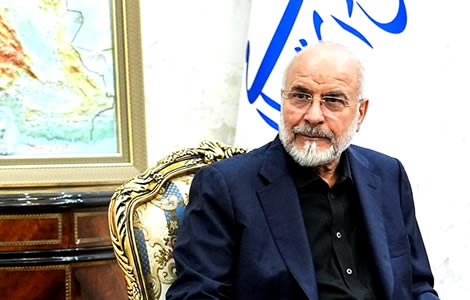
On Sunday, May 31, 2026, Iran’s chief negotiator, Mohammad Bagher Galibaf, issued a blunt warning. He said the United States was untrustworthy. He also stated that Iran would not sign any agreement lacking firm guarantees. According to Galibaf, Tehran will not compromise on what it considers national rights. Instead, it will insist on full protection for the Iranian people.
“We will not approve any agreement until we are certain that the rights of the Iranian people are fully protected,” Galibaf said in a video broadcast on state television.
Iran rejects trust in Washington and signals no deal unless guarantees fully protect national rights
His comments followed reports that Trump had returned a stricter framework proposal to Iran. According to reports, the revised plan was more decisive than previous versions. However, the exact contents remain unclear. Even so, the reported changes underscored the distance that still separates both sides.
The New York Times and Axios reported on Saturday that Trump had sent the new proposal back to Tehran. Notably, the reports emerged after weeks of negotiations between American and Iranian officials. Those talks have sought to end the conflict in the Middle East. They have also focused on reopening the Strait of Hormuz.
Any changes to the draft framework could delay a formal settlement. That prospect carries wider implications for the region. The negotiations have unfolded amid sporadic clashes involving US and Iranian troops. Consequently, diplomacy has continued alongside recurring military tensions.
Trump has acknowledged dissatisfaction with the pace and outcome of negotiations. At the same time, he signalled that Washington retains alternatives if talks fail. He also threatened renewed attacks if Iran “behaves badly.” The remarks highlighted the pressure still being applied by the White House.
Tougher Trump proposal and military pressure threaten to delay any breakthrough with Tehran
Separately, Secretary of State Marco Rubio reinforced that position. Rubio warned that the United States would use “other methods” if negotiations fail. His comments added to a series of recent warnings directed at Tehran.
In response, Iran’s military issued a warning of its own. Military officials said they were prepared to open a new front if the United States launches another attack. The statement reflected the increasingly confrontational tone surrounding the negotiations.
Trump has repeatedly identified two central objectives. First, he wants to prevent Iran from developing nuclear weapons. Second, he wants the Strait of Hormuz reopened. The waterway remains one of the world’s most important shipping routes. Since the war began, Iran has attempted to control access to it.
Meanwhile, Tehran continues to question American intentions. Iranian officials have previously expressed scepticism about Trump’s claims. As a result, substantial disagreements remain unresolved. Those disputes extend beyond nuclear issues and into broader regional questions.
Rubio warning, military threats and Hormuz tensions deepen divisions between rivals in talks
Iranian media reported that Tehran wants the United States to release frozen assets before nuclear negotiations proceed. Specifically, Iran seeks the lifting of a freeze on assets valued at $12 billion. Iranian outlets portrayed the issue as a key condition for further progress.
On another front, Tehran rejected earlier claims regarding enriched uranium stockpiles. Trump had previously suggested the stockpiles would be destroyed. Iranian media dismissed those statements as “unfounded.” The disagreement has added another point of friction between the two sides.
Furthermore, Tehran is demanding that Lebanon be included in any final agreement. Iranian officials continue to maintain that position. The issue comes as Israel continues attacks against Hezbollah in southern Lebanon. As part of this, regional security concerns have become intertwined with the broader negotiations.
The expanding agenda has complicated efforts to secure a breakthrough. Nuclear issues remain central. However, economic demands, military tensions and regional disputes now feature prominently. Each issue presents additional obstacles to a final settlement.
Frozen assets, uranium disputes and Lebanon’s demands complicate already fragile negotiations
For now, neither side has indicated that an agreement is close. Instead, recent statements suggest positions are hardening. Washington continues demanding stronger assurances regarding Iran’s nuclear activities. Tehran, for its part, continues demanding guarantees protecting Iranian rights and interests.
In parallel, both governments have intensified their public messaging. American officials have warned of consequences if talks collapse. Iranian officials have responded with warnings of their own. The exchanges have highlighted the deep mistrust shaping the negotiations.
Trump predicts US victory in war with Iran hours after attack targeting the President and his entourage
US Navy attacks, disables and boards Iranian cargo vessel as Middle East War threatens to erupt again
Ultimately, the latest round of statements leaves major questions unresolved. Trump has threatened renewed attacks. Rubio has warned of alternative measures. Iran has declared it does not trust the United States.
The Iranian military has warned it is ready to respond if attacked. Against that backdrop, negotiators continue searching for common ground. Yet significant hurdles remain before any agreement can be reached.
Join the Thai News forum, follow Thai Examiner on Facebook here
Receive all our stories as they come out on Telegram here
Follow Thai Examiner here
Further reading:
Anxiety about oil supplies and prices as economic growth in 2026 now dependent on the US Iran War