Pheu Thai slams Election Commission over advance voting failures, warning election annulment risks, as EC moves to prosecute 28 candidates, raising tensions, legal threats and fears of renewed political instability ahead of the 2026 poll.
Tensions between the Election Commission and political parties in the 2026 General Election deepened on Tuesday. Pheu Thai Party leaders voiced concern over failures exposed during advance voting on Sunday. Deputy leader Chusak Sirinil warned the election could later face legal challenges or annulment, echoing the 2006 precedent. The standoff intensified Tuesday evening when the Election Commission revealed it was pursuing prosecution of 28 candidates for failing to vote in the previous election.
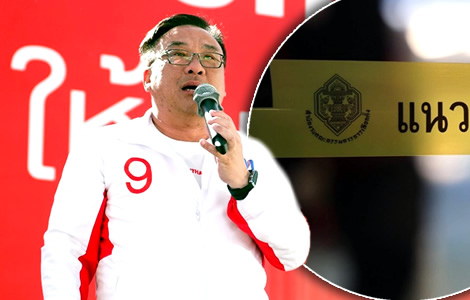
Top leaders of the Pheu Thai Party on Tuesday intensified criticism of the Election Commission over its handling of the 2026 General Election, following failures exposed during advance voting on Sunday.
At the outset, party elder Julapun Amornvivat and deputy leader Chusak Sirinil addressed the issue publicly, focusing on administrative errors and legal exposure. Together, they argued that the problems revealed systemic weaknesses rather than isolated mistakes.
Initially, Mr Julapun said the advance voting failures demonstrated clear shortcomings in election management. According to him, the Election Commission must urgently review its own performance. Moreover, he said the errors affected several political parties, not just one. Therefore, he rejected suggestions that any party escaped damage. Instead, he stressed that fairness across the system had been compromised.
Concerns shift from administrative failures to legal risks that could undermine validity of the election
Meanwhile, Mr Chusak concentrated on legal consequences. Specifically, he warned that election conduct could later be used to annul the poll. In particular, he cited earlier elections overturned due to procedural defects.
Consequently, he said unresolved deficiencies could become grounds for legal challenges after voting concluded. As a result, he urged careful handling of the remaining process.
On Tuesday, the Election Commission responded to the criticism. First, it acknowledged problems during advance voting on Sunday. However, it insisted that no political party would ultimately be disadvantaged. At the same time, it said corrective measures had already been implemented. Additionally, it paid tribute to election officials currently working under pressure.
Later on Tuesday, the commission escalated matters with a separate announcement. It revealed it was pursuing Supreme Court action against 28 parliamentary candidates. According to the commission, those candidates failed to vote in the previous General Election. As a result, their political rights were restricted under the election law. Therefore, the commission said judicial intervention was necessary.
Election Commission raises tensions by pursuing Supreme Court action against 28 candidates
Subsequently, officials confirmed the decision followed a formal meeting held on Tuesday. The resolution was adopted as proposed by the EC Office. However, the identities of the 28 candidates were not disclosed. Instead, officials said petitions were being drafted. District Election Directors would submit the cases to the Supreme Court once completed.
At the same time, the commission warned of broader legal implications. Specifically, it said party leaders who signed candidate endorsements could face liability.
Moreover, it cited provisions of the Organic Act on MP Elections 2018 and the Political Parties Act 2017. Consequently, the move was expected to increase tensions between the commission and political parties.
Earlier that day, Mr Julapun, also known as Chulaphan, provided further details. He spoke on February 3, 2026, about advance voting outside constituencies held on February 1. According to him, errors during the process could result in voters losing their votes. Therefore, he said the issue carried serious consequences.
Advance voting errors detailed as affecting ballot candidate numbers and posters of multiple parties
Furthermore, he said the mistakes included the incorrect placement of candidate numbers. In addition, he cited missing ballots and candidate posters in some areas.
According to him, these problems affected multiple parties, including Pheu Thai. Consequently, he rejected claims that his party was less affected than others.
Moreover, Mr Julapun argued that Thai society ultimately bore the consequences. Therefore, he said the Election Commission must conduct a thorough self-review. At the same time, he said resignation by commissioners was not appropriate now. Instead, he said the election process should be completed first, with accountability addressed later.
In addition, Mr Julapun addressed concerns about vote buying. He said the situation remained serious in many constituencies. However, he stated that vote buying was wrong and unacceptable. Moreover, he said the Pheu Thai Party did not engage in such practices. Therefore, he called on all parties to uphold fair political competition.
Vote buying allegations, financial irregularities and enforcement failures add pressure on agency
Additionally, he urged stricter enforcement by the Election Commission. According to him, the detection of wrongdoing remained insufficient. He said the public was waiting for clarity on several unresolved issues. For example, he cited reports from the Bank of Thailand. These reports showed unusually large cash withdrawals.
Specifically, he said withdrawals of 200 to 300 million baht had been made from small banks. Therefore, he asked about the status of related investigations. According to him, the public expected clear explanations. However, he avoided accusing any party of political intent.
Instead, Mr Julapun emphasised institutional responsibility. He said the Election Commission must fully exercise its authority. Whether the errors were honest or intentional, he said, required official determination. Consequently, he said speculation should be avoided.
Separately, Mr Chusak addressed possible criminal liability under Section 157 of the Criminal Code. However, he declined to state definitively whether an offence had occurred. Instead, he proposed establishing a fact-finding committee. According to him, such a committee should determine whether the failures resulted from negligence or intent.
Chusak calls for fact-finding as Election Commission admissions raise doubts over standards
Moreover, he said any conclusions must be transparent. He said the public deserved to understand the causes. Therefore, he urged investigation before judgment. He stressed that premature conclusions could undermine credibility.
At the same time, Mr Chusak focused on advance voting logistics. He said the full impact would become clearer later. Specifically, he said problems would surface when ballots were sent to provinces. However, he noted that the commission had already admitted shortcomings.
Furthermore, he said the mistakes did not appear ordinary. He cited the use of candidate numbers from the 2023 election. According to him, such an error was unlikely for a professional election body. Therefore, he said, serious questions were raised about operational standards.
Nevertheless, Mr Chusak stopped short of alleging intent. Instead, he reiterated the need for investigation. He said only established facts should guide conclusions. Consequently, he urged restraint from all sides.
Past election annulment cited as warning while current legal context remains uncertain and unresolved
He also discussed how complaints might be handled. He said outcomes depended on the discretion of relevant agencies. To illustrate, he cited a previous election case involving polling booth placement. In that case, multiple complaints were filed across several issues.
Eventually, he said, that election was ruled dishonest and invalidated. However, he said the context then was different. According to him, the earlier case involved multiple coordinated problems. This time, he said, circumstances appeared less clear-cut.
Later in the day, attention returned to the Election Commission’s legal action. At 5:30 p.m. on February 3, 2026, officials briefed reporters at the EC Office. The briefing followed a formal commission meeting. During the meeting, members adopted the resolution.
According to officials, the commission agreed to send the case to the Supreme Court. The case concerned 28 MP candidates from various parties. These candidates were found to be under rights restrictions. The restrictions arose from failing to vote or notification of absence.
Legal process outlined as SupremeCourt review may affect candidates’ status and spark future polls
Specifically, officials said the violations fell under Section 35(2) of the Organic Act on MP Elections 2018. As a result, the candidates’ eligibility was in question. Consequently, the EC Office began drafting the ruling.
Under the law, candidates remain valid until a court order is issued. Therefore, their names would remain on ballots initially. However, if elected, results would not be certified. Instead, the Election Commission would order a new election.
In addition, the commission outlined possible criminal penalties. It said candidates could face prosecution under Section 151. This applies to knowingly registering while ineligible. Penalties include imprisonment from one to ten years and fines of 20,000 to 200,000 baht.
Moreover, courts could revoke voting rights for up to 20 years. These sanctions would follow conviction. Therefore, legal exposure remained significant for those involved.
Party leaders face liability under political parties act, as accountability extends beyond candidates
At the same time, party leaders faced potential liability. Leaders who endorsed the candidates could be prosecuted. This falls under Section 56 of the Political Parties Act 2017. Penalties are defined under Section 120.
Specifically, penalties include imprisonment of up to five years and fines of up to 100,000 baht. Additionally, voting rights could be revoked for five years. Consequently, leadership accountability becomes a central issue.
Bombshell audio clip suggesting a conservative plot is genuine says Lawyer Aun, says he has the numbers
People’s Party firebrand ‘ICE’ calls for actions against Election Commission after advance voting errors
As developments continued, pressure on the election process increased. Political parties expressed concern over uncertainty. However, the Election Commission maintained its stance. It reiterated that no party would ultimately be disadvantaged.
Legal framework tensions deepen as election laws, constitutional provisions and political trust collide
Meanwhile, observers pointed to the broader legal framework. The situation highlighted the problematic nature of the 2018 Organic Act. Additionally, it drew attention to constitutional provisions under the 2017 charter. These laws now intersect at critical points.
Therefore, disputes are increasingly focused on legal interpretation. Advance voting failures remained under review. Supreme Court decisions were pending. As the election approaches, scrutiny intensifies and the process remains unresolved.
In short, political instability is rising while trust between the players within the political system is falling rapidly. Coming at the same time as a bombshell audio clip suggesting outside forces are directing the country’s political narrative and rising fears of vote buying, there are growing fears of another potential crisis.
Join the Thai News forum, follow Thai Examiner on Facebook here
Receive all our stories as they come out on Telegram here
Follow Thai Examiner here
Further reading:
Bank of Thailand Governor orders monitoring of cash withdrawals amid widespread vote buying fears
High powered, secretive meeting chaired by PM agrees robust action against Cambodian networks
Ben Smith affair & allegations of links to Cambodian scam centres continues to rage in parliament