Volvo EV crisis in Thailand deepens as EX30 is pulled, 1,668 cars face battery swaps, 70% charge limit imposed after fire risks, and XC60 explodes on motorway. TV exposé, regulator probe, and buyback demands intensify nationwide backlash.
A safety and regulatory crisis has engulfed Volvo vehicles in Thailand after repeated fire incidents, a national TV exposé, and escalating consumer complaints forced direct government intervention. The Volvo EX30 has been pulled from sale, 1,668 vehicles face battery replacements, and owners are restricted to 70 per cent charging due to reported fire risks linked to overcharging. At the same time, a Volvo XC60 carrying a family caught fire and exploded on a motorway, intensifying scrutiny across both electric and hybrid models. With emergency regulatory meetings underway and customers demanding buybacks and compensation, the scandal has become one of the most severe vehicle safety disputes in Thailand’s EV market.
Just over a week after the government issued a warning to electric vehicle manufacturers and retailers in Thailand over marketing standards and service pledges, a major controversy escalated involving Volvo electric vehicles.
However, the focus quickly shifted to the Volvo EX30 after repeated fire reports and regulatory action. In addition, the issue expanded into formal investigations and consumer hearings.
A national television programme this week highlighted problems with the Volvo EX30 electric car. It reported incidents of fires linked to overcharged batteries. In short, it described explosions following battery overheating in multiple cases. Consequently, public concern and regulatory pressure increased.
National television report triggers fire claims and regulatory scrutiny over Volvo EX30 battery risks
Following the broadcast, Thai consumer authorities requested Volvo to submit technical specifications for the EX30. Moreover, regulators opened discussions with the company on safety compliance and product status. However, scrutiny continued as additional complaints emerged from owners.
Volvo then announced on Thursday that it would discontinue the EX30 range in Thailand. The decision followed talks with Thai consumer protection authorities. In addition, the announcement came amid ongoing regulatory review of battery safety concerns.
Volvo confirmed that it would replace batteries in 1,668 affected EX30 vehicles. Meanwhile, the company stated it would provide after-sales support during the replacement period. However, the situation also revealed a key operational restriction affecting customers.
Authorities reported that the EX30 cannot be charged beyond 70 per cent under current conditions. In addition, Volvo stated that exceeding this limit could create a fire risk. Therefore, the restriction remains in place until battery modules are replaced. However, many customers were reportedly unaware of this limitation earlier.
Volvo agrees battery replacements for 1,668 vehicles, as a 70 per cent charging limit triggers warnings
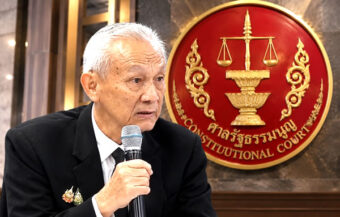
On Thursday, May 21, 2026, a formal meeting was held at the Office of the Consumer Protection Board. The meeting focused on EX30 battery issues affecting all 1,668 vehicles. Moreover, Mr. Pradermchai Boonchuaylue chaired the session as advisor to the Prime Minister’s Office. In addition, representatives from Volvo and affected consumers attended.
During the meeting, Volvo confirmed that EX30 sales had been discontinued. Moreover, the company outlined a phased battery replacement programme. However, it stressed that replacements would be carried out gradually. Consequently, customers were scheduled to begin servicing from May 21 onward.
Volvo’s technical and after-sales service director, Mr. Thanomsak Santhanaprasit, provided further details. He confirmed that the company had ceased selling all vehicles in the affected category. In addition, he said a structured recall and replacement process would be implemented. The first battery replacement was scheduled for May 25. Meanwhile, full completion was expected by August.
Volvo also outlined relief measures for affected customers. Firstly, battery replacements would be completed within three months. Secondly, loaner vehicles would be provided during servicing. In addition, compensation for loss of use was included in the support package. However, no formal buyback scheme was introduced.
Consumer protection meeting confirms phased recall battery replacement plan and no buyback policy
Volvo stated that customers seeking exchanges could contact the company directly. Moreover, it said arrangements would be handled on a case-by-case basis. However, consumer demand for structured buybacks continued to rise.
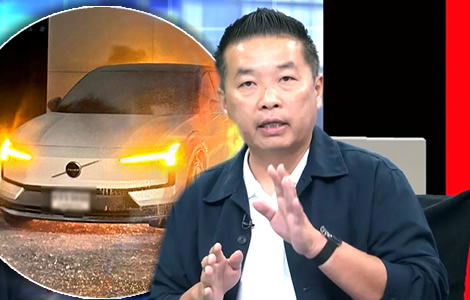
Meanwhile, public concern increased following multiple reports of EX30 fire incidents. A national television programme, “Hone Krasae,” featured affected owners. In addition, it provided a platform for consumer testimony and technical commentary. Consequently, the issue gained wider national attention.
Experts, including Asadawut Asasarnpakit and Pop Kungkue from EV Shop, appeared on the programme. They suggested heat buildup in battery cells could trigger short circuits. Moreover, they called for further investigation into battery batch consistency. However, they stopped short of confirming a definitive cause.
The programme also featured direct owner accounts. One owner, Mr. Tom, described his EX30 fire incident in detail. He said the vehicle caught fire after being parked following charging. In addition, he said the battery level was around 80 per cent at the time.
Owner of EX30 highlights charging limits, missed warnings and rapid vehicle fire escalation
He explained that this exceeded Volvo’s recommended 70 per cent charging limit. However, he said this recommendation was not known to him earlier. Consequently, he had charged the vehicle normally before the incident.
Mr. Tom said the fire began just minutes after parking. In addition, he said he was informed shortly after the vehicle ignited. He reported that more than 23 fire extinguishers were used without success. Subsequently, fire and rescue teams arrived to control the situation.
He also said the fire spread rapidly to nearby areas. Moreover, he noted the presence of flammable materials, including gas cylinders. Consequently, the incident posed additional risks to surrounding property.
Mr. Tom said Volvo’s response was insufficient. He stated that customers were not clearly informed about operating limits at purchase. In addition, he said limiting charging to 70 per cent was not a complete solution. However, he confirmed he had not been contacted directly by the company.
Customers demand buybacks, replacements, and compensation as complaints grow over EV battery safety
He further stated that many users had charged vehicles to 90 to 100 per cent over the past two years. Moreover, he said the 70 per cent restriction was introduced only recently. In addition, he said some service centre requests for battery replacement had not been fulfilled.
Customer demands have since centred on three main areas. Firstly, many customers are requesting vehicle buybacks at fair value. Secondly, some are demanding replacement with alternative models. In addition, others are seeking compensation for losses and inconvenience.
Separately, another Volvo incident made the news on Friday. This involved a different EV model, an XC60 on the M81 motorway in Nakhon Pathom province. Highway police reported the fire occurred at about 10.40am at kilometre marker 41. In addition, the vehicle was travelling towards Kanchanaburi at the time.
Firefighters took around 30 minutes to extinguish the blaze. However, an explosion followed the initial fire. Consequently, the vehicle sustained severe damage.
XC60 motorway fire involving family vehicle triggers explosion and injury reports under investigation
The XC60 was carrying a family of four. The driver, his wife, and two children were inside. However, all occupants managed to escape before the explosion.
The driver reported seeing a yellow warning light on the dashboard. In addition, he noticed smoke coming from the front of the vehicle. He also reported a burning smell followed by flames under the car.
He said he exited the vehicle quickly with his family. Subsequently, the explosion occurred shortly after evacuation. However, both adults sustained minor injuries from flames during escape.
He said safety was the priority during evacuation. In addition, he called for a full investigation into the cause. However, he said he did not want to assign blame prematurely.
His wife later posted on social media that the family was safe. In addition, she thanked people who assisted at the scene. She also said she never expected such an incident. Moreover, she stated that it should not happen to anyone.
Authorities investigate XC60 fire as hybrid model scrutiny rises alongside earlier EV incidents in Thailand
Authorities confirmed that the XC60 fire remains under investigation. In addition, they noted the XC60 is a plug-in hybrid model. Meanwhile, the EX30 involved earlier is a fully electric vehicle.
The XC60 incident followed earlier EX30 fire reports. Consequently, scrutiny of Volvo vehicles intensified across both EV and hybrid segments. In addition, attention expanded to battery and powertrain safety systems.
Thailand’s EV market continues to expand. Sales are projected to exceed 120,000 units in 2026. This compares with 113,719 units in 2025. Meanwhile, the sector continues to grow year on year.
However, market conditions are shifting. The EV 3.0 subsidy scheme previously offered incentives of up to 150,000 baht. In contrast, the EV 3.5 scheme has reduced subsidy levels. Consequently, some models experienced price increases of around 200,000 baht.
Thailand EV market grows past 120,000 forecast as subsidies fall and fuel costs shape consumer trends
In addition, fuel price movements have influenced demand. Following the February 28 ceasefire between Iran and the United States, oil and fuel costs rose. Therefore, internal combustion engine vehicles became more expensive to operate.
As a result, EV demand continued to rise across the market. However, consumer complaints also increased during the same period. These focused on after-sales service, battery replacement delays, and support systems.
Government sends strong warning to EV industry after a dramatic surge in consumer complaints
Oil and energy crisis deepens in Thailand as Prime Minister Anutin shows off new EV car to reporters
Regulators have already begun responding to these issues. In addition, government agencies have engaged manufacturers on service standards and compliance. Consequently, the Volvo case has become a central focus of ongoing oversight.
Join the Thai News forum, follow Thai Examiner on Facebook here
Receive all our stories as they come out on Telegram here
Follow Thai Examiner here
Further reading:
Government sends strong warning to EV industry after a dramatic surge in consumer complaints
Thaksin wants higher excise duties on EV cars that are simply assembled in Thailand by Chinese firms
EV sector crisis as Chinese firms are trapped between lack of demand and government tax penalties
Thailand changes tack as EV revolution turns into a damp squib with warehouses full of unsold cars
Top Thai insurer says no more new policies for EV cars. Later, it emphasised renewals case by case
Lack of coherence in government policy is the root cause of Thailand’s massive economic problems
Disturbing questions that must be confronted over Thailand’s reeling economy are China and EV cars
First-quarter GDP growth surprises analysts based on higher tourism and consumer spending growth