Thailand urges Trump not to link its sovereignty with trade as all-out war with Cambodia escalates, civilians flee border towns, artillery and air strikes continue. The US had already suspended trade talks in November, but now rising casualties and tensions threaten a rupture.
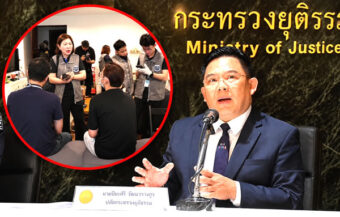
Tensions are rising between the United States administration and Thailand as the kingdom takes a hardline approach to Cambodia. After calls for a renewed ceasefire on Tuesday, Thailand’s Foreign Minister Sihasak Phuangketkeow urged the US to respect Thailand’s position. He stressed the kingdom is defending its sovereignty, a right that must remain inviolable, and asked that ongoing hostilities not be linked to trade negotiations. The United States had already suspended trade talks on November 14, following Thailand’s suspension of the pact on November 11, when Prime Minister Anutin Charnvirakul declared that “peace was over.”
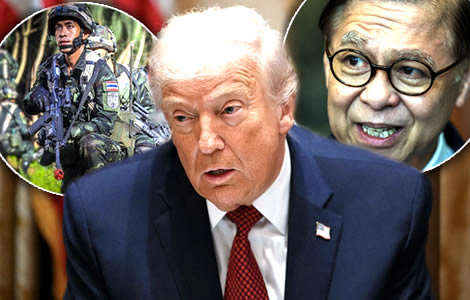
After all-out war erupted between Thailand and Cambodia on Monday, sources close to Prime Minister Anutin Charnvirakul ruled out negotiations, a ceasefire, and intervention by the United States or President Donald Trump. The Thai government has empowered its military to act decisively, aiming to weaken Cambodia’s military capability.
Hostilities resumed after weeks of tension along the 817-kilometre border. Exchanges of heavy artillery, rockets, and air strikes have been reported. Thailand conducted air strikes on military targets in Preah Vihear province.
Meanwhile, Cambodia moved troops and heavy weapons closer to disputed areas. Reports indicate that at least 12 people have been killed since Monday. Hundreds of thousands of residents have fled border towns, seeking safety.
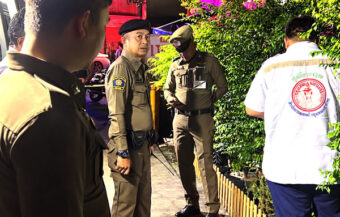
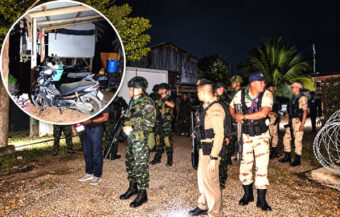
Thailand and Cambodia clash along border as civilians flee and artillery strikes escalate across provinces
Prime Minister Anutin suspended Thailand’s commitments under the Kuala Lumpur Peace Accord on November 11. The decision followed a landmine attack in Sisaket Province that injured four Thai soldiers. Thai authorities said Cambodia laid the mine.
Consequently, the Office of the US Trade Representative requested a temporary suspension of trade talks with Thailand. Speculation arose that Washington could threaten tariffs to encourage both sides to return to negotiations.
On Tuesday, there were indications that the White House had begun to demand an end to hostilities. Certainly, the rising danger of a breach between Thailand and the United States over ongoing trade negotiations is a distinct possibility.
However, Thailand insists that trade and security are separate issues. Foreign Minister Sihasak Phuangketkeow said tariffs should not pressure Thailand to negotiate. “You have to separate Thai-Cambodia relations from trade talks,” he said. Furthermore, he stressed that the matter is a question of sovereignty. During a November 14 phone call, Prime Minister Anutin told President Trump that national security cannot be linked to trade.
Thailand suspended Kuala Lumpur accord and warns US not to link border war to trade negotiations
The United States has expressed concern over casualties and ongoing fighting. A US administration official said President Trump is committed to the cessation of violence.
Secretary of State Marco Rubio called for civilian protection and the immediate cessation of hostilities. He urged both sides to return to de-escalatory measures outlined in the October 26 Kuala Lumpur Peace Accord.
Monday’s clashes expanded across multiple provinces. Thai operations included artillery strikes and fighter jet attacks. Cambodia responded with artillery targeting Thai positions. Both countries blame each other for initiating the attacks. This outbreak began after two Thai soldiers were injured by gunfire on Sunday.
Thailand later on Monday reported one soldier killed and seven wounded by Cambodian artillery. Meanwhile, Cambodia accused Thailand of firing first in Preah Vihear.
The clashes have disrupted civilian life. More than 990 Thai schools are temporarily closed. Thousands of residents remain displaced. Roads, local markets, and other civilian infrastructure have been affected. In Ubon Ratchathani province, Thailand, launched retaliatory operations. Cambodia confirmed its attacks were responses to previous Thai moves. Observers describe the violence as the worst since the ceasefire signed in July 2025.
Civilian life disrupted as clashes spread with schools, roads and markets affected across border provinces
Indeed, there is the real possibility that this is a far bigger conflagration. According to military sources, Thailand is determined to push forward with the fight. The kingdom has already reclaimed territory it had not held previously for forty years.
Foreign Minister Sihasak said Cambodia must halt hostilities to reduce tensions. He added that Phnom Penh must demonstrate sincerity before negotiations can resume. “If the other side wants to end the conflict, we are waiting to listen,” he said. Furthermore, he said any ceasefire proposal from Cambodia must be vetted by the Thai armed forces. Thailand aims to defend sovereignty and territorial integrity, he added.
Sihasak outlined two possible paths. The first is reducing tension and moving toward peace. The second is escalating the conflict, causing more casualties. Thailand has deployed fighter jets, heavy artillery, and other superior weaponry across the border.
Cambodia insists it seeks to honour the ceasefire and the expanded October agreement. Former Prime Minister Hun Sen said Cambodia delayed 24 hours before counter-attacking Thai forces overnight.
Thailand maintains military momentum while foreign minister outlines paths to peace or escalation
International attention is intense. The White House pressured Thailand on Tuesday to cease fire and restore peace. Trump has yet to comment directly on the latest attacks. The fear is that when he does, it may be decisive.
However, US officials reiterated expectations that both countries fully honour the Kuala Lumpur Peace Accord. Observers note that the accord is now in tatters, with both sides continuing military operations.
The conflict also affects international trade. The US temporarily paused negotiations with Thailand. Officials warned that discussions would remain on hold until border conditions stabilise. Despite pressure, Thailand maintains that national security remains separate from trade considerations. Prime Minister Anutin and Foreign Minister Sihasak have repeatedly stated that military operations will continue until Thai objectives are achieved.
Reports indicate the confrontations left five civilians dead, in addition to military casualties. Thai authorities reported that Cambodian artillery hit bases, killing one of its soldiers and injuring eight. That was Monday. By Tuesday, this death tally had risen to four, with sixty-five injured.
US presses Thailand amid rising casualties and paused trade talks while military operations continue
Both countries accuse each other of aggression, creating high mistrust. Thousands of civilians remain displaced, and emergency shelters are active in border provinces. Schools, roads, and markets continue to suffer disruptions. The situation is not conducive to third-party mediation, according to Sihasak.
He stressed that Cambodia must show willingness to stop hostilities before dialogue resumes. A spokesman for Cambodia’s foreign ministry did not immediately respond to requests for comment. Military and political mistrust remains a significant obstacle to restoring peace.
International observers have expressed concern over Trump’s peace plan. Reports indicate the latest wave of clashes could jeopardise long-term stability in Thai-Cambodian relations. Despite diplomatic pressure, both countries continue heavy military operations.
Thailand uses artillery and air strikes, while Cambodia positions troops and heavy weaponry along the border. The civilian population remains at risk.
Civilians remain at risk as mistrust prevents mediation and ongoing operations threaten regional stability
Monday’s clashes represent a major escalation from prior weeks. Thai forces reported multiple attacks on military targets. Cambodia responded with counter-artillery and troop movements. The fighting has spread across multiple provinces, increasing the scale of the humanitarian impact. Displaced populations are receiving relief, but challenges remain.
In sum, Thailand and Cambodia remain in active conflict. In truth, what we have now is an all-out war of terrifying proportions. Both sides continue military operations. The US and international observers are monitoring developments.
Fears for US Thai trade deal as hostilities flared on Monday with Thai sources ruling out intervention
Thai nationals ordered evacuated from conflict zones in 4 provinces near Cambodia as conflict threatens
Thailand shocked as United States shelves trade talks after Prime Minister’s call with Trump on Friday
Fear of renewed hostilities. Thailand scraps Trump’s peace deal with Cambodia. ‘Peace is over’ says PM
Diplomatic communications continue, but no formal ceasefire has been reached. The situation remains fluid, and casualties are expected to rise. Analysts warn that the renewed fighting could undermine regional stability. The situation remains volatile and extremely dangerous.
Join the Thai News forum, follow Thai Examiner on Facebook here
Receive all our stories as they come out on Telegram here
Follow Thai Examiner here
Further reading:
Trump brokered peace pact between Thailand and Cambodia suspended after landmine attack this week
Prime Minister Anutin signs accord with Cambodia witnessed by US President Trump in Kuala Lumpur
Trump to oversee ground breaking new deal between Thailand and Cambodia on Saturday to map border
High powered, secretive meeting chaired by PM agrees robust action against Cambodian networks
Thailand and Cambodia face danger from ‘Dragon Head’ the Chinese mafia leader behind the scams