Peace hangs in the balance on the Thai-Cambodian border as confidence in the fragile ceasefire is tested. Thailand reports night-time drone incursions, Cambodia denies it. Hun Sen talks tough, China steps in as peace broker and commanders warn fresh fighting is likely.
There is mounting tension along the Thai–Cambodian border as peace and war hang in the balance. Thailand’s military leaders are weighing the effectiveness of Saturday’s ceasefire, while blunt warnings from Cambodian strongman Hun Sen unsettle Bangkok. China is stepping in as a new peace broker, its influence contrasting with that of the United States. Senior Thai military sources now believe a renewed outbreak of fighting is likely—possibly with larger troop deployments and greater destruction. For now, Prime Minister Anutin Charnvirakul and the military are still trying to give peace a chance.
China has stepped forward as a new mediator between Thailand and Cambodia. The move follows a tense ceasefire. The ceasefire took effect at noon last Saturday. It was to be monitored for 72 hours. However, Thai officials fear it may soon fail. Military officers warn that the fragile pause remains uncertain. Therefore, the border situation stays volatile.
Yesterday, Thailand reported 250 Cambodian drones crossing its border. Thai officers said the drones flew at night. However, Cambodia firmly denied the claim on Tuesday. Cambodian authorities said the flights never happened. Nonetheless, Thai military intelligence remains wary. Officials believe another clash is likely. Therefore, preparations continue on the Thai side.
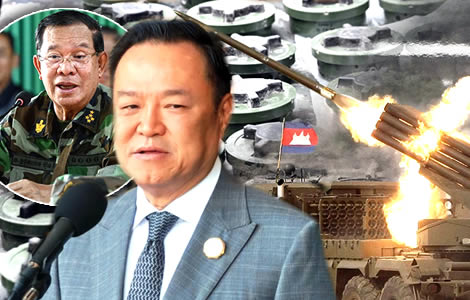
Meanwhile, political signals from Phnom Penh remain hard. Cambodia’s de facto leader Hun Sen has taken a firm position. Additionally, the President of the Cambodian Senate has issued a bellicose declaration.
Thai review of ceasefire proceeds as China brokers talks and Hun Sen presses urgent border demarcation
The statement said Cambodia will not accept border changes by force. It referred to Thai gains in the December clashes. Furthermore, it said Cambodia would defend its international boundary. It also stated respect for international law.
At the same time, Thai officials plan to assess the ceasefire. The review will take place over the next 48 hours. Military and civilian leaders will examine compliance. However, early briefings warn that Cambodia has not stopped activity. Intelligence sources say the pause looks temporary. Therefore, Thai commanders, certainly, at this time, expect further incidents.
China now plays a central role in the crisis. On Monday, December 29, China hosted a trilateral meeting. The talks produced agreement on the next steps. Thailand called for a durable ceasefire. Additionally, Thailand demanded mine clearance. It also pushed for measures against transnational crime.
If the ceasefire holds, Thailand plans repatriation. The ceasefire agreement proposes the return of 18 detained Cambodian soldiers. These soldiers crossed the border during the fighting. Furthermore, Thailand asked Cambodia to allow stranded Thai citizens in Poipet to return.
However, Hun Sen’s Facebook page has just issued a stirring statement. It came from the Secretariat of the Border Affairs Committee. The statement requested an urgent Joint Border Committee meeting in January 2026. It demanded speedy surveys and demarcation. Additionally, it said Cambodia will reject any force-based border changes. The statement listed disputed areas in several provinces. It also vowed to protect Cambodia’s boundary.
Drone claims stall progress as China mediates and Thai commanders warn of renewed fighting
Meanwhile, Thai reports again mentioned drone flights. They said drones surveyed border areas despite the ceasefire. Therefore, Thailand delayed the return of the 18 soldiers. Officials want clarity before proceeding. In turn, Cambodia has officially denied any drone incursion.
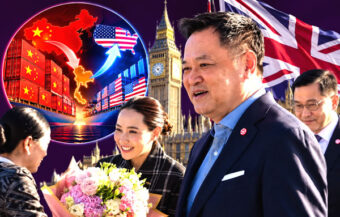
China’s growing role has drawn regional notice. China holds major influence in Cambodia. Most Cambodian military weapons and supplies presently come from China. Therefore, China’s mediation carries weight. Additionally, China has invited both countries for talks. The aim is to stabilise the tense border.
Previously, the United States acted as mediator. The earlier ceasefire was signed in Malaysia. Afterwards, a peace plan was also unveiled in Kuala Lumpur.
This was overseen by US President Donald Trump. However, heavy clashes resumed soon after. Now, China has moved into the mediator role. This shift has strategic weight. The Thai-Cambodian frontier now attracts major-power attention.
Meanwhile, Thai military sources say a third clash appears likely. They cite Cambodian activity after the ceasefire. This includes reported movements of troops. They say Cambodia has not stopped. Therefore, commanders remain cautious. They also note that Hun Sen refuses to surrender ground.
China widens role as United States stays engaged amid evidence of prepared Cambodian actions
China has promoted its role through the Mekong-Lancang framework. This framework supports Chinese influence in mainland Southeast Asia. Meanwhile, the United States remains engaged. Sources also mention Prime Minister Hun Manet’s close contacts with Washington. Notably, the 48-year-old is a graduate of West Point, the prestigious US military academy.
Another element in the background is the Ream naval base. The base attracts attention from major powers. In recent years, it has been seen by US intelligence as having become a Chinese facility. Certainly, it hosts Chinese naval vessels.
Additionally, Cambodia maintains long-term defence ties with China. Therefore, trust between the parties remains critical.
Military sources in Thailand say Cambodia has prepared positions for years. They report that tanks have been deployed since 2011. They also say fortifications show long-term planning. However, they add that Cambodia did not expect Thailand’s heavy response during recent clashes.
Hun Sen rejects border change as Thai commanders plan for escalation and urge return of prisoners
Hun Sen’s belligerent stance remains consistent and worrisome for the Thai government. Additionally, Cambodian leaders seek domestic acceptance. In short, playing the nationalist card to rally support. They also assume Thailand will not expand further inside Cambodia. At the same time, Thai officials state they have no intention of seizing disputed land.
Meanwhile, Thai commanders prepare for multiple scenarios. They say Cambodia has paused but not stopped. Therefore, they expect future incidents. They warn that the next clash may involve larger forces. Additionally, they argue that the 18 detained soldiers pose no threat. They recommend returning them.
They also warn that their continued detention risks harm or death. Such an event could damage Thailand diplomatically. Therefore, the military supports repatriation if the ceasefire holds.
Prime Minister Anutin Charnvirakul addressed the crisis on Tuesday, December 30, at Government House. He spoke before a Cabinet meeting at 10:00 a.m. He said the 72-hour ceasefire deadline expires at noon. He added that the military and the National Security Council would speak under the joint statement.
Anutin calls for sincere talks as China offers aid as Thai intelligence warns hostilities may resume
Additionally, he said Thailand continues to monitor the situation. He stressed the need for sincerity in talks. If Cambodia acts in good faith, Thailand will discuss. Therefore, the Joint Border Committee remains the main forum.
Hun Sen’s call for a January Joint Border Commission (JBC) session remains under review. Thailand insists discussions must rest on credible intent. Additionally, Thai officials require security guarantees. They say peace talks must be grounded in practical reasoning.
China has also offered financial assistance. It proposed 20 million yuan for recovery efforts. The plan arose during foreign minister talks. However, the details remain pending. Prime Minister Anutin said further discussions are required. Additionally, he confirmed that Foreign Minister Sihasak Phuangketkaew returned on Monday night from Thailand’s powerful northern neighbour.
Meanwhile, Thai intelligence continues to assess the security picture. They warn that Cambodia may resume operations at any time. They cite ongoing surveillance flights. Therefore, Thai forces remain on alert. Patrols continue along the frontier.
China’s forges role as Thai commanders weigh ceasefire and business warns of economic damage
China’s mediator role strengthens its regional posture. The country maintains close ties with Cambodia. Its arms sales reinforce those links. Additionally, China seeks to project constructive influence. It is now poised to lead the ceasefire process. However, the United States also observes developments closely.
The ceasefire review period remains crucial. Thai military commanders must judge whether the pause holds. Civilian officials will examine humanitarian concerns. These include the safe return of Thai citizens from Poipet. They also include the treatment of the 18 detained soldiers.
Significantly, Thailand’s leadership has also been made acutely aware of how damaging the border war is to Thailand’s economic outlook. Indeed, the damage inflicted since July will take up to a decade to repair. In short, confidence in Thailand has been weakened by the sight of its armed forces engaged in all-out war with its eastern neighbour.
Investors are shy about committing to countries linked to or involved in ongoing conflicts.
The ceasefire review period remains critical. Thai commanders must judge whether the agreement has been respected. Civilian authorities will also assess humanitarian issues. These include the status of Thai citizens stranded in Poipet.
Drone reports raise doubts over ceasefire as Hun Sen angrily demands fast border demarcation
However, the drone reports complicate progress. They raise questions over ceasefire compliance.
Hun Sen’s public statements remain blunt. He rejects any border change linked to military action. Cambodia calls for urgent committee sessions. It also presses for faster demarcation. Significantly, the Thai-Cambodian peace declaration of October 26 provides for a process to properly delineate the border. In particular, the agreement calls for LiDAR technology to be used.
In the meantime, Thailand signals readiness to talk; it is undoubtedly trying to make this latest process work. However, it insists on credible goodwill and clear reasoning. Military and security agencies will issue formal assessments when the ceasefire period ends.
Ceasefire signed Saturday sees hostilities wind down for 72 hour monitoring period in wider peace deal
Outline peace deal agreed at border talks but cabinet approval needed before Defence Minister signs
Cambodia formally requests ceasefire at General Border Committee (GBC) as talks in Chanathaburi begin
The war since December 7 has cost the lives of some 26 Thai soldiers and a further sixty civilians on both sides of the border. Peace last Saturday notably saw Thai civilians rush back home. Basically, the civilian population wants peace.
For now, the border remains tense. Both armies stay alert. Both governments face pressure at home. Meanwhile, China has emerged as a key intermediary. The next decisions will depend on military reports, high-level judgments and continued restraint on the ground. Peace on the Thai-Cambodian border lies in the balance. In short, it is a moment that requires true leadership, or further loss of life will occur.
Join the Thai News forum, follow Thai Examiner on Facebook here
Receive all our stories as they come out on Telegram here
Follow Thai Examiner here
Further reading:
Outline peace deal agreed at border talks but cabinet approval needed before Defence Minister signs
War to continue says PM Anutin. Dismisses President Trump’s ceasefire talk as a ‘misunderstanding’
Confusion after Trump’s 20 minute phone call with PM Anutin. US side claimed a ceasefire was agreed