Thailand will hike international airport passenger charges by 50% from June 20, pushing up airfares and making Thai airports among Asia’s most expensive as officials defend the move as vital for expansion, automation and aviation hub ambitions.
Thailand is set for a dramatic surge in air travel costs after Airports of Thailand confirmed a 50% increase in international passenger service charges from June 20, a move that will push up ticket prices, hit airlines and place Thai airports among the most expensive in Asia. The sharply higher levy will apply at six major international gateways, including Suvarnabhumi, Don Mueang and Phuket, with critics warning it could damage Thailand’s competitiveness as regional rivals battle aggressively for tourist and airline traffic. However, airport authorities insist the extra revenue is vital to fund terminal expansion, automation upgrades and new safety systems as the government races to turn Thailand into a leading aviation hub.
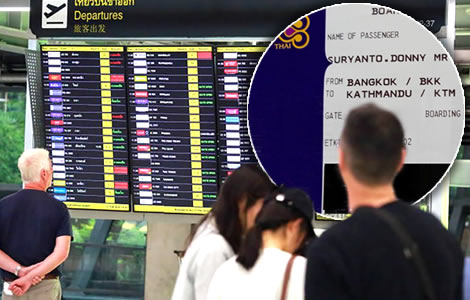
Thailand’s Airports of Thailand will raise international passenger service charges by 50% from June 20. Under the revised structure, outbound international passengers will pay ฿1,120 instead of ฿730. The increase was first proposed late last year.
Now, Airports of Thailand has confirmed the plan will proceed on schedule. Importantly, the higher charge applies only to international passengers. Domestic travellers will not be affected.
The revised fee will apply at Suvarnabhumi, Don Mueang, Chiang Mai, Mae Fah Luang, Chiang Rai, Phuket and Hat Yai airports. Together, those airports handle most international passenger traffic entering Thailand.
Airlines and travellers face higher fares as Thailand pushes airport charges sharply upwards plans
Consequently, airline ticket prices for international travel are expected to rise. The airport service charge is included directly in airfare calculations. Therefore, return trips to Thailand are likely to become more expensive for many travellers.
At the same time, the increase will place Thailand among the world’s more expensive airport systems for outbound passengers. However, Singapore’s Changi Airport will still remain significantly higher.
Passengers departing from Singapore currently pay about ฿1,600. Therefore, Changi remains roughly 43% more expensive than Thailand’s revised rate. Nevertheless, the sharp increase is expected to attract criticism from airlines and tourism operators across the region.
Higher airport charges directly affect airline operating costs. In turn, carriers often pass those expenses onto passengers through increased fares. Consequently, aviation analysts have long viewed airport pricing as a competitive factor in route planning. Across Asia, airlines continue competing aggressively for passenger traffic, particularly on regional and tourist routes. Therefore, airport fees remain closely monitored by international carriers.
AOT says higher passenger charges will fund terminal expansion and faster airport processing nationwide
Meanwhile, Airports of Thailand insists the revised charge remains internationally competitive. AOT president Paweena Jariyathitipong said the increase was unlikely to affect travel demand. According to Ms Paweena, the additional revenue will fund airport expansion and operational upgrades.
Specifically, Airports of Thailand plans to expand passenger terminals across its network. In addition, the authority will invest in automated Common Use Passenger Processing Systems, known as CUPPS.
The CUPPS systems allow airlines to share check-in and boarding infrastructure. Consequently, airports can process passengers more efficiently during peak travel periods. The systems are also designed to reduce congestion inside terminals.
Thailand links higher airport charges to aviation hub ambitions and upgraded safety systems nationwide
Furthermore, Airports of Thailand plans to strengthen airport safety technology using part of the additional revenue. Authorities increasingly view automation and passenger processing speed as critical operational priorities.
The increase also forms part of Thailand’s wider aviation development strategy. The government has repeatedly promoted Thailand as a future regional aviation hub. Therefore, infrastructure investment remains a major transport policy objective.
Authorities view airport expansion as essential to long-term aviation growth and regional connectivity. At present, Suvarnabhumi and Don Mueang remain Thailand’s busiest international gateways. Meanwhile, Phuket and Chiang Mai continue attracting heavy international tourist traffic.
Asian airports race to expand terminals as rising passenger traffic strains regional systems increasingly
In contrast, Hat Yai and Mae Fah Luang Chiang Rai serve smaller regional international markets. However, all six airports will apply the same revised charge structure. Passenger traffic at Thailand’s airports has steadily recovered in recent years.
Consequently, pressure on terminals and passenger processing systems has increased sharply. Therefore, airport authorities are seeking additional revenue to fund expansion and technology upgrades.
Across Asia, airport operators increasingly rely on passenger charges to finance infrastructure projects. Rising passenger volumes have intensified pressure on airport systems throughout the region.
As a result, many operators have accelerated terminal expansion and technology investment programmes. Airports are also competing aggressively for airline capacity and international routes. Therefore, operational efficiency and security systems have become major priorities.
Critics warn higher airport charges may weaken Thailand against lower cost regional rivals and airlines
At the same time, airlines remain highly sensitive to airport costs. Even modest fee increases can affect route profitability calculations. Consequently, critics argue that higher charges could reduce Thailand’s attractiveness to foreign carriers.
Others warn that increased fares could weaken competitiveness against lower-cost regional airports. However, Airports of Thailand maintains the revised fee remains below several major international aviation hubs.
The new Thai rate compares to approximately ฿1,500 at London Heathrow. However, Britain’s leading airport also operates a sliding scale beginning at around ฿240. Meanwhile, Frankfurt Airport in Germany caps similar charges at approximately ฿555. In contrast, airports in New York charge about ฿778.80, including security fees. Dubai’s passenger charge remains lower at approximately ฿400 per traveller.
Even so, Thailand’s revised fee now ranks among the region’s highest airport passenger charges. The increase represents one of the largest adjustments introduced in recent years.
Thailand says higher airport fees will fund expansion as passenger traffic continues recovering rapidly
Importantly, the additional revenue will flow directly into Airports of Thailand’s infrastructure programme. The authority has identified passenger handling capacity as a major operational issue as international traffic continues recovering.
People’s Party MP raises questions about long queues at Phuket International Airport and fast-track lanes
Sharp criticism for sky high passenger service fees to be imposed by Thai airports in June on departures
The revised fee will officially take effect on June 20. From that date, all outbound international passengers using the six airports will pay the higher charge. Ultimately, the increase marks a significant shift in Thailand’s airport pricing structure.
Meanwhile, Airports of Thailand says the additional revenue will support expansion, automation and upgraded safety systems across the country’s busiest international gateways. Furthermore, the Thai government sees the extra funding as a means of driving infrastructure development. In particular, it supports the government’s goal of making Thailand a key aviation hub in Asia.
Join the Thai News forum, follow Thai Examiner on Facebook here
Receive all our stories as they come out on Telegram here
Follow Thai Examiner here
Further reading:
Another false dawn? Minister announces delayed tourism levy will be instituted under his watch
Tourism Levy will take at least six months to implement even after a cabinet decision to approve it
New Electronic Travel Authorisation (ETA) system coming soon with a ฿300 tourist levy and insurance
Tragic death of a Taiwanese tourist is another wake-up call for the government on insurance cover
66-year-old Thai woman highlights Thailand’s official tiered pricing in hospitals for foreigners
Negative reaction and horror at Thailand’s plan to charge foreigners more than locals at hotels