Election alarm as senior figures warn of mass vote buying. Claims say up to ฿100bn may fund payments of ฿2,000–฿4,000 per vote, with reports of IDs seized and pressure on voters. Pheu Thai also faces backlash after failing to register candidates in Nakhon Nayok.
With a high-stakes election on February 8th, the race for control of Thailand is already turning ugly. The former ruling Pheu Thai Party is warning of vote buying, early voter registration abuse and buyers seizing voters’ ID cards for cash. However, a bigger scandal is erupting. Pheu Thai failed to register its candidates in Nakhon Nayok, a province where it previously won both seats. Now, former Pheu Thai MP Chanchai Issarasenaraks is demanding answers from the party leadership itself.
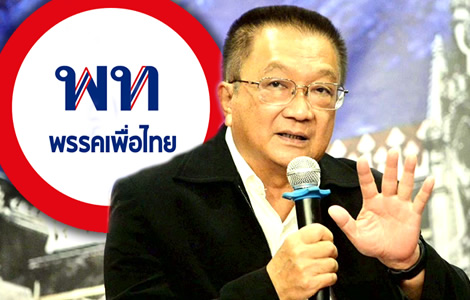
There are growing concerns on the General Election campaign trail. Political figures now warn of possible dirty tricks. They say vote buying may be returning on a large scale. The warnings name money, pressure, and organised activity. The tone is firm. The claims are serious.
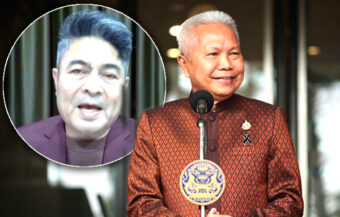
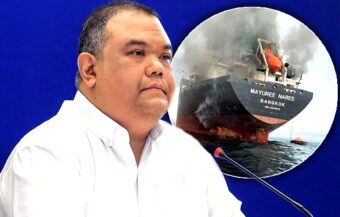
Before the new year, Mr. Jetsada Tonawanik issued a clear warning. He is the Rak Chart Party’s prime ministerial candidate. He said pro-establishment parties may control huge funds. He also referred to groups linked to grey capital.
According to him, up to ฿100 billion may be available. He said this money could support vote buying activity during the election. He further warned that payments may reach ฿4,000 per vote. He said this may occur in key constituencies or key areas. The suggestion points to organised spending.
Earlier concerns grow over claims of widespread vote buying and intimidation now circulating
Earlier, Thai Sang Thai Party’s Khunying Sudarat Keyuraphan raised similar fears. In November, she spoke about large sums in circulation. She said as much as ฿20 billion may be available for vote buying. Significantly, the issue has now been flagged by multiple senior political figures. The claims remain focused strictly on financial influence.
Meanwhile, concerns have widened on the campaign trail. Pheu Thai Party leader Julapun Amornvivat addressed the matter on Saturday. He said problems have appeared around the country. He referred to intimidation by powerful local groups.
He also noted worries about rising advance voting registration. He said the former ruling party had received reports from the field. Those reports claim voters had identification cards taken from them. The cards were allegedly exchanged for cash. In essence, this is described as vote buying. Reports also suggest ฿2,000 per vote is being paid in some locations. However, the pattern varies by area.
At the same time, another issue has surfaced in Nakhon Nayok province. The situation concerns the Pheu Thai Party directly. The province previously returned two Pheu Thai MPs in 2023. Yet no Pheu Thai candidates have been registered there for the coming election. Therefore, local voters cannot choose a Pheu Thai candidate. The development has triggered internal and public criticism.
Shock as Pheu Thai failed to register candidates in Nakhon Nayok depriving voters of choice
The party leadership said obstruction occurred. It said provincial representatives could not complete certification. As a result, the party failed to register candidates in time.
However, former Pheu Thai MP Mr. Chanchai Issarasenaraks is questioning this account. He previously served as an MP for Nakhon Nayok. He also stated that he speaks as a citizen with voting rights. He has demanded a clear explanation. He said the party must clarify what really happened. He also asked for details about the alleged obstruction.
On January 3, 2026, Mr. Chanchai repeated his position. He referred directly to the spokesperson’s explanation. He said the party cited obstruction of certification. Yet he said the party had enough time to act.
He asked why the party failed to resolve the issue early. He stated that other constituencies did not face the same problem. Therefore, he asked whether legal action had been taken. He said the party claimed its own representative broke the law. He said this would be equivalent to committing a crime. He then asked whether the party acted against those responsible.
ExPheu Thai MP presses party over a serious failure and questions influence of powerful groups
Additionally, he questioned party management. He referred to the primary voting process inside the party. He said the party leadership could have replaced its provincial representative. He also said this would have been simple.
He pointed out that many members live in the province. He said it is unclear why the party could not manage the issue. He then asked how the same party could run a country. He posed the question as part of his criticism.
Furthermore, he asked about local influence. He said that powerful families or groups may hold sway in the province. He asked whether such groups prevented candidate registration. He then asked whether Pheu Thai would abandon members and voters. He said voters who want Pheu Thai candidates now have no choice. He also said the party had previously spoken about combating influential groups.
He then raised a wider question about democracy. He said democracy cannot operate under dark forces or money. He said illegal activity would affect people’s rights and dignity. He referred specifically to the people of Nakhon Nayok.
Concerns rise over the integrity of the election with rising reports of cash payments and intimidation
He then questioned whether the election should continue under such conditions. He said this situation deprives people of their rights. He also said election agencies have shown no concern. Consequently, he demanded honest answers from the party.
Finally, he warned of political consequences. He said the people may lose confidence. He said voters may think the party cannot handle small issues. He also raised the possibility of political compromise.
He said the situation could benefit other parties. He said this would leave people without representation. He stated that citizens are the rightful owners of power. He said they now lack the right to choose their representatives.
The election environment is now charged. Allegations of vote buying continue to surface. Amounts mentioned range from ฿2,000 to ฿4,000 per vote. Total spending claims run as high as ฿100 billion. Senior political figures continue to repeat the warnings. They focus on money, intimidation, and vote manipulation. The issue is now part of daily campaigning.
Pressure grows on Pheu Thai as dispute over Nakhon Nayok registration fuels voter frustration
Meanwhile, the Pheu Thai Party faces pressure in one province. Nakhon Nayok is now without a Pheu Thai candidate. The party says it was obstructed.
A former MP rejects the explanation. He demands full clarity. He continues to question the leadership. He continues to speak in public.
Presently, the issue remains unresolved. The situation highlights tension between party process and electoral law. It also affects local voters directly. They once elected two Pheu Thai MPs. They now have no Pheu Thai option.
Growing fears that the election will turn dirty as money politics and power struggles dominate
The tone remains firm. The claims remain specific. The stakes remain high. In the early days of this General Election, it is already clear that things are likely to turn dirty. On one hand, you have the conservative establishment, which is rallying around the Bhumjaithai Party.
Former minister and party leader Sudarat warns of ฿20 billion plot by ‘Scambodia’ to take political power
Dirty tricks feared by Pheu Thai, the Election Commission urged to probe Maha Sarakham vote-buying reports
It is counting on nationalist fervour over the Cambodian war, in addition to the local influence of big houses. On the other hand, there is some surprise at the retained support for both the Pheu Thai Party and the People’s Party. Opinion polls are showing this, with undecided voters finally moving towards the pro-democracy parties.
Undoubtedly, this election is a battle for who controls Thailand’s future, particularly with a constitutional referendum at the same time. Indeed, the nature of Thai politics being what it is, the struggle will be raised even further after the election results night.
Join the Thai News forum, follow Thai Examiner on Facebook here
Receive all our stories as they come out on Telegram here
Follow Thai Examiner here
Further reading:
High powered, secretive meeting chaired by PM agrees robust action against Cambodian networks
Thailand and Cambodia face danger from ‘Dragon Head’ the Chinese mafia leader behind the scams
Cyber police and Money Laundering agency seek UK and US co-operation targeting Cambodian networks
United States, South Korea and United Kingdom act against Cambodian scam industry with Thai tie-ins
Ben Smith affair & allegations of links to Cambodian scam centres continues to rage in parliament
Defiant Rangsiman Rome warns he’s not just fighting a defamation case but for the future of Thailand
Ben Smith money fixer to the elite in Thailand lines up ฿100M defamation case against Rangsiman Rome